
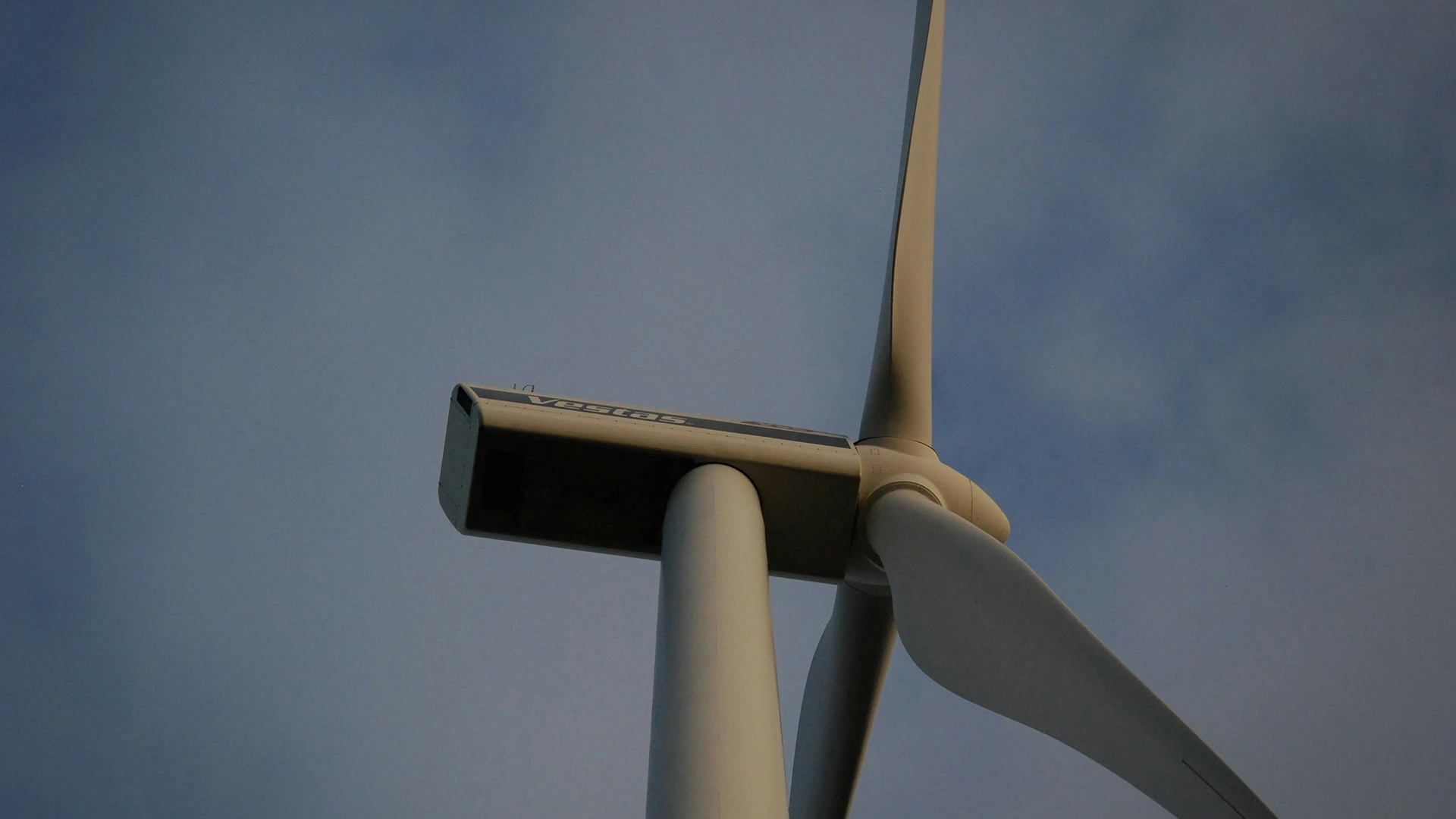
When Weather Delays Your Turbine Exchange
If you have ever watched a carefully planned turbine outage unravel because the forecast shifted overnight, you will know how quickly time, cost and confidence can be affected. How Weather Delays Affect Wind Turbine Component Exchange Projects and What Can Be Done About It is not just a planning concern; it is a practical issue that can determine whether a project stays on schedule or slips into avoidable downtime.
For wind farm owners, operators, EPC contractors, OEMs, investors and the wider renewable energy sector, weather is more than a background variable. In component exchange work, it can decide when cranes can lift, when vessels can sail, when technicians can safely access the turbine, and whether a main component replacement proceeds as intended. At SBL Solutions, we understand that every hour matters when you are dealing with gearboxes, generators, main shafts, blades or bearings and the operational pressure that comes with them.
In simple terms, How Weather Delays Affect Wind Turbine Component Exchange Projects and What Can Be Done About It is about understanding the operational risks created by wind, rain, low visibility, rough seas and site access constraints, then putting practical measures in place to reduce disruption. That is especially important within Wind Turbine Component Exchange, where tight shutdown windows and complex logistics leave very little room for error. Visit our Wind Turbine Component Exchange page to learn how SBL Solutions helps manage these critical projects with careful planning and experienced technical support.
In this article, we will look at the main ways weather can impact exchange schedules, the knock-on effects for project delivery and asset performance, and the steps that can help you improve readiness. We will also cover how experienced technicians, short-notice mobilisation and robust planning support can make a measurable difference when conditions change.
Whether you manage offshore wind assets, oversee utility infrastructure or support large-scale energy projects, this topic matters because better preparation means fewer delays, safer execution and stronger returns. If you need support planning or delivering a component exchange campaign, contact SBL Solutions via our contact page to discuss how we can help.
Why Weather Conditions Can Disrupt Wind Turbine Component Exchange Timelines
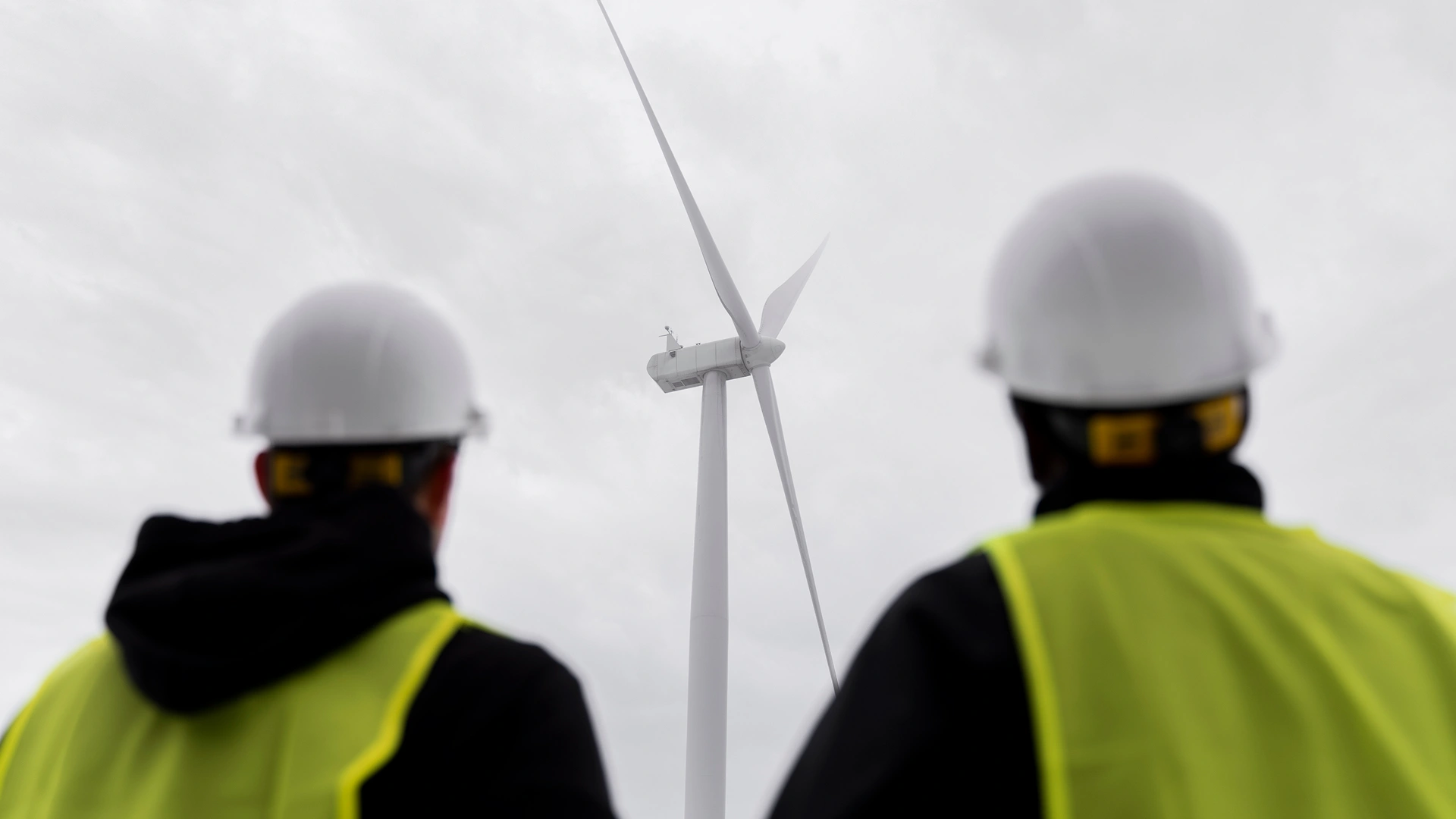
How Weather Delays Affect Wind Turbine Component Exchange Projects and What Can Be Done About It refers to the practical challenge of completing major turbine component replacements when wind, rain, lightning, poor visibility, sea state, or access restrictions interrupt the work. In simple terms, if a gearbox, generator, main shaft, blade, or bearing needs to be exchanged, the project can only move forward when conditions are safe enough for lifting, transport, installation, and testing. For wind farm owners and operators, that means weather is not just a background factor, it can be the difference between a planned outage lasting days or stretching far longer than expected.
The important distinction is that weather delays are not simply a matter of inconvenience; they are a core operational risk that must be managed proactively. Good planning includes realistic weather windows, contingency scheduling, pre-mobilised specialist teams, and rapid decision-making when conditions change. This is where experienced support makes a real difference. At SBL Solutions, we help clients respond quickly with heavily experienced technicians who can mobilise at short notice, reducing avoidable delays and keeping exchange projects moving wherever possible.
In the wider context of Wind Turbine Component Exchange, managing weather risk is essential to protecting asset performance and limiting revenue loss. The goal is not to eliminate weather-related disruption — that is rarely possible but to reduce its impact through preparation, flexibility, and specialist execution. With the right team in place, you can turn a weather-sensitive project into a controlled, well-managed operation rather than a costly waiting game.
Terms to know for weather-related wind turbine component exchanges
When you’re planning a wind turbine component exchange, weather can quickly become the deciding factor between a smooth lift and a costly delay. Below are some of the most useful terms to understand when looking at How Weather Delays Affect Wind Turbine Component Exchange Projects and What Can Be Done About It.
Weather window
A weather window is a period of time when conditions are suitable for carrying out work safely, such as lifting, transport, or installation. In wind projects, these windows are often short and can change quickly, so they must be planned around carefully.
Wind speed limit
This is the maximum wind speed at which a specific task can safely be performed. Different activities, such as crane lifts or blade handling, have different limits depending on equipment, turbine height, and site conditions.
Crane lift plan
A crane lift plan sets out how heavy components will be lifted, moved, and installed safely. It includes equipment, load weights, lifting points, ground conditions, and weather constraints that could affect the operation.
Downtime
Downtime is the period when a turbine is out of service and not generating electricity. During a component exchange, every extra hour of downtime can affect project costs, revenue, and operational targets.
Mobilisation
Mobilisation is the process of assembling the people, equipment, transport, and materials needed for the job. For wind turbine component exchanges, rapid mobilisation is often essential when a weather window opens unexpectedly.
Contingency planning
Contingency planning means preparing backup options in case the original plan is disrupted. This might include alternative schedules, spare parts, standby crews, or different lifting methods if weather conditions worsen.
Access constraints
Access constraints are the limitations that affect how teams, vehicles, and equipment can reach the site. These can include poor road conditions, offshore vessel restrictions, or weather-related limits on site access, all of which can delay an exchange.
Understanding these terms gives you a clearer picture of why weather has such a major impact on component exchanges and how good planning can reduce risk. At SBL Solutions, we combine technical experience with fast mobilisation to help you respond confidently when conditions change.
Frequently Asked Questions About Weather Delays in Wind Turbine Component Exchanges
Weather can have a major impact on the timing, safety and cost of wind turbine component exchange work. Below, we answer some of the most common questions we hear from clients about how these delays happen and what can be done to reduce their effect.
Why do weather conditions affect wind turbine component exchange projects so much?
Component exchange work often involves cranes, lifting operations, transport movements and precise alignment tasks, all of which depend on safe site conditions. High winds, heavy rain, poor visibility and lightning can all stop or delay critical activities because they increase risk to personnel and equipment. In practice, even a short weather window can determine whether a gearbox or generator exchange can go ahead as planned.
Which weather conditions cause the most disruption?
Strong winds are usually the biggest issue, especially for lifts involving large main components such as blades, generators and gearboxes. Rain, ice, fog and storms can also affect access routes, visibility and ground conditions, making it harder to mobilise equipment safely. At some sites, saturated ground can also delay crane setup or transport, which adds further pressure to the programme.
How do weather delays affect project timelines and costs?
When a lift is postponed, the whole schedule can shift, particularly if specialist technicians, cranes and transport are already on site. This can lead to extra standby time, rescheduling costs and longer turbine downtime, which has a direct impact on energy production. Careful planning is essential, because even a one-day delay can have knock-on effects across the wider exchange programme.
What can be done to reduce the impact of weather delays?
The best approach is to build flexibility into the plan from the start, including realistic weather contingency and alternative work sequences. At SBL Solutions, we help clients prepare for changing conditions by mobilising experienced technicians at short notice and coordinating work so that available weather windows are used as efficiently as possible. Good communication between all parties also helps you make quick decisions when conditions change.
Can weather delays be predicted accurately before a component exchange begins?
Weather forecasting has improved, but it can never remove uncertainty entirely, especially for offshore or exposed onshore sites. Forecasts are useful for identifying likely working windows, but they should be treated as part of a wider decision-making process rather than a guarantee. That is why experienced project teams review forecasts continuously and adjust the plan as conditions evolve.
What happens if weather stops a lift once the project has started?
If conditions become unsafe during a lift, the team must pause operations and secure the site before continuing. The exact next step depends on how far the exchange has progressed, the component involved and whether the turbine can be left in a safe condition until the weather improves. Having a skilled team on site means you can respond quickly, protect equipment and restart work with minimal disruption once the window reopens.
How can SBL Solutions help with weather-related delays?
We support wind farm operators with highly experienced technicians who understand the pressures of main component exchanges and the realities of working in changing weather. Our team can mobilise quickly, adapt to short weather windows and help keep downtime to a minimum while maintaining a strong focus on safety. If you need practical support with How Weather Delays Affect Wind Turbine Component Exchange Projects and What Can Be Done About It, we bring the experience needed to manage the challenge effectively.
Weather delays are often unavoidable, but with the right planning, expertise and flexibility, their impact can be reduced. If you are managing a component exchange project, these FAQs should help you make more informed decisions and keep your turbine downtime under control.
Keeping Component Exchange Projects on Track, Whatever the Weather
Weather can quickly turn a planned turbine component exchange into a complex logistical challenge, but with the right preparation, the impact does not have to derail the entire project. As we have explored, delays are often driven by access restrictions, lifting limitations, safety concerns and shifting site conditions. By planning with realistic weather windows, building flexibility into schedules and maintaining clear communication across all parties, you can reduce disruption and keep work moving safely.
At SBL Solutions, we understand how demanding these projects can be. Our experienced technicians are ready to mobilise at short notice and support the exchange of major components with a practical, safety-focused approach. That experience helps you keep projects progressing, even when the weather is less than cooperative.
If you are planning a component exchange or want to improve your approach to weather-related downtime, we are here to help. Contact SBL Solutions to discuss your project requirements and find out how we can support you with reliable, responsive expertise.