
Why Generator Failures Demand a Long-Term Asset View
When a generator begins to underperform, the impact is rarely confined to a single turbine or a single day. In wind energy, even a minor fault can ripple through availability, revenue, maintenance planning and asset life — which is why How Generator Failures in Wind Turbines Impact Long-Term Asset Performance matters so much to owners and operators who need reliable output over the full life of the asset.
For wind farm owners, renewable energy companies, utility providers, IPPs, investors and O&M teams, understanding this issue is essential for protecting performance and controlling risk. Generator failures can lead to extended downtime, unplanned intervention, secondary component stress and costly delays, particularly when access, weather windows and crane logistics are tight. That is where informed planning and rapid response become critical.
In practical terms, Generator Failures in Wind Turbines Impact Long-Term Asset Performance is about more than replacing a failed part. It is about assessing the wider effect on production forecasts, maintenance strategy, lifecycle cost and asset reliability. This blog will look at the common causes and consequences of generator failure, how these issues influence long-term performance, and why timely Wind Turbine Component Exchange can be the difference between a contained repair and a wider operational setback. Visit our Wind Turbine Component Exchange page to learn how SBL Solutions helps manage critical interventions with speed and precision.
At SBL Solutions, we support complex exchanges with experienced technicians who can mobilise quickly when main component issues arise. Our practical expertise helps reduce downtime and keep projects moving, even when conditions are challenging. If you are planning maintenance, managing failure risk or looking for a dependable response partner, contact us to discuss how we can help protect your asset performance over the long term.
Why Generator Failures Reduce Long-Term Wind Turbine Asset Performance
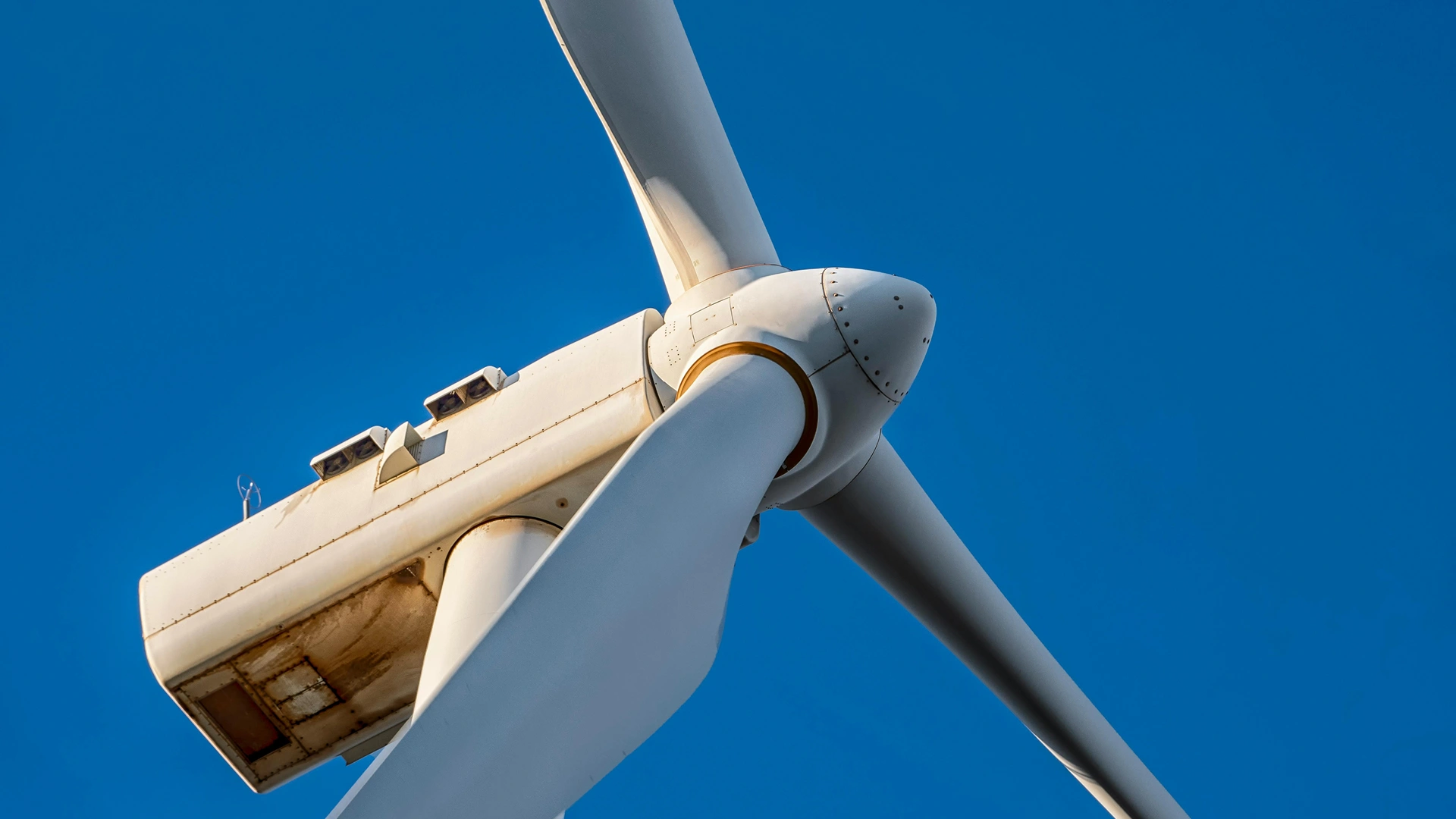
How Generator Failures in Wind Turbines Impact Long-Term Asset Performance is the measure of how a generator fault affects a turbine’s reliability, output, maintenance burden, and overall revenue over its operating life. In simple terms, the generator is the part that turns mechanical rotation into electrical power, so when it fails, the turbine is not just temporarily offline, its long-term productive value can also be reduced. Think of it like a fleet vehicle with a failing engine: even if it is repaired, repeated breakdowns can still increase running costs, lower availability, and shorten useful life.
The main characteristics of this issue include unplanned downtime, repair lead times, crane and logistics requirements, repeat failure risk, and the knock-on effect on energy production targets. A generator failure may stem from electrical insulation breakdown, bearing wear, overheating, contamination, or grid-related stress. What matters most for asset performance is not only the fault itself, but how quickly and effectively it is diagnosed, exchanged, and returned to service. That is why generator events are often viewed as a whole-life asset management issue rather than a single maintenance task.
A common misconception is that a generator failure is simply a one-off repair. In reality, it can be an early warning sign of wider asset stress, especially if underlying issues are not addressed during the exchange. At SBL Solutions, we help clients respond quickly with highly experienced technicians who can mobilise at short notice, supporting safe, efficient component exchange and helping protect the long-term performance of your wind assets.
Terms to Know When Assessing Generator Failure in Wind Turbines
When you are looking at How Generator Failures in Wind Turbines Impact Long-Term Asset Performance, it helps to understand the technical and operational terms that shape maintenance decisions, downtime, and lifetime value. Here are the key terms we commonly use when supporting wind farm owners and operators through generator exchange and repair planning.
Generator Failure
A generator failure is a fault that prevents the turbine’s generator from converting mechanical energy into electrical power as intended. It can range from electrical faults and insulation breakdown to bearing damage or overheating, depending on the turbine design and operating conditions. It is central to How Generator Failures in Wind Turbines Impact Long-Term Asset Performance because it directly affects energy production, repair urgency, and long-term reliability.
Downtime
Downtime is the period when a turbine is unavailable and cannot generate electricity. It may be planned, such as during a component exchange, or unplanned, such as after an unexpected breakdown. In the context of generator failures, downtime reduces revenue and can place added pressure on the wider wind farm schedule, especially when weather windows are tight.
Availability
Availability refers to the proportion of time a turbine or wind farm is ready to operate and produce power. High availability is essential for protecting output and meeting contractual performance targets. Generator failures reduce availability, which is why rapid mobilisation and efficient component exchange are so important for asset performance.
Mean Time Between Failures (MTBF)
Mean Time Between Failures is a reliability measure that estimates the average operating time between one failure and the next. A lower MTBF usually indicates a less reliable asset or component. For generator systems, MTBF helps owners and O&M teams understand recurring fault patterns and plan interventions before failures become more costly.
Condition Monitoring
Condition monitoring is the process of tracking equipment health using data such as vibration, temperature, oil condition, and electrical performance. It helps identify early warning signs before a generator failure becomes severe. For your asset, this means more informed maintenance planning, fewer emergency call-outs, and better control over long-term performance.
Component Exchange
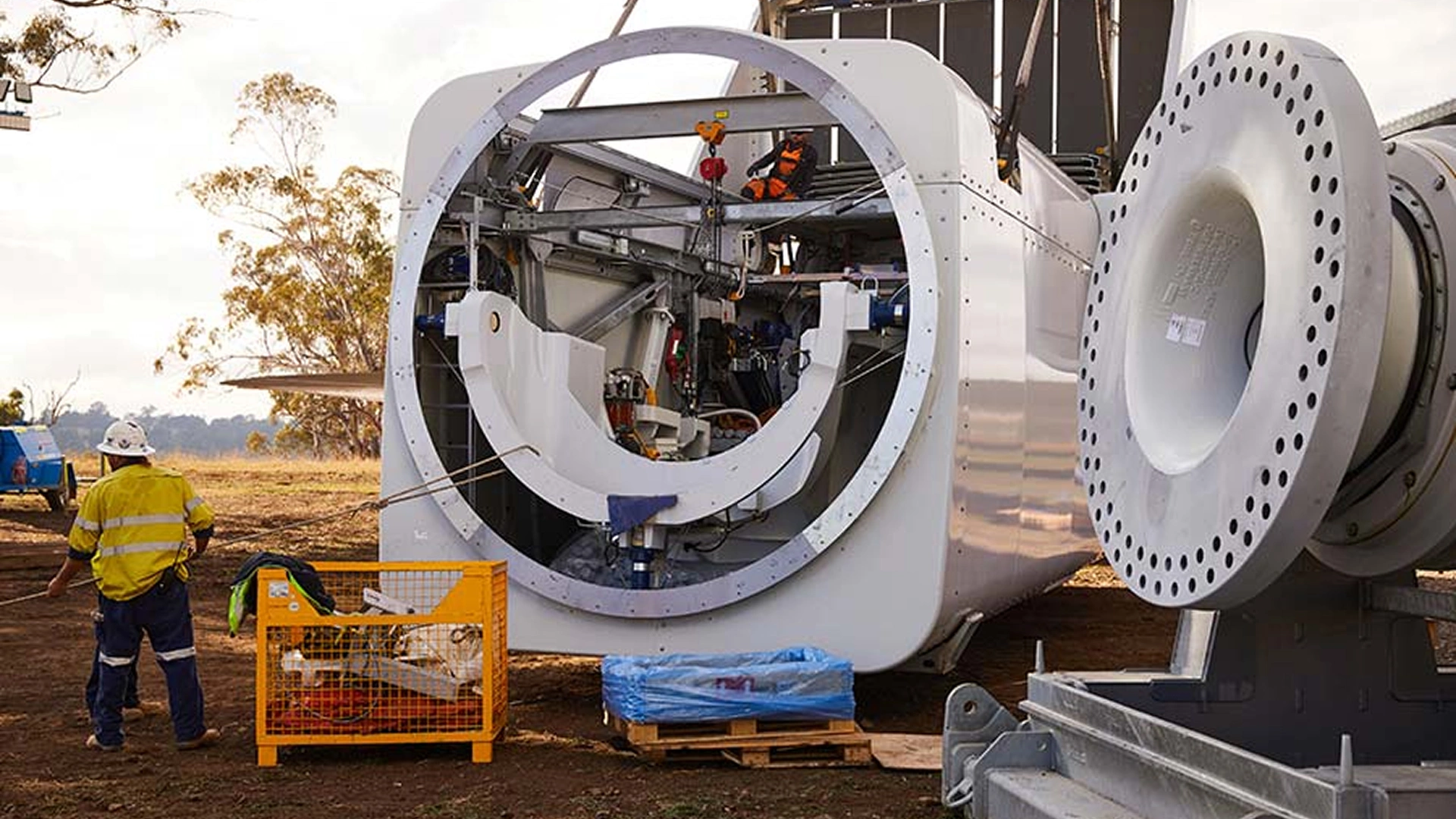
Component exchange is the removal and replacement of a major turbine part, such as a generator, gearbox, or main shaft, usually as part of a planned or reactive maintenance campaign. It often requires specialist technicians, lifting equipment, and careful logistics. At SBL Solutions, this is a core service area because timely exchange work can limit downtime and protect the turbine’s long-term value.
Lifecycle Cost
Lifecycle cost is the total cost of owning and operating an asset over its full working life, including installation, maintenance, repairs, downtime, and replacement parts. Generator failures can significantly increase lifecycle cost if they lead to repeated interventions or prolonged outages. Understanding this term helps you assess whether repair, replacement, or proactive intervention offers the best long-term return.
By understanding these terms, you are better placed to judge risk, plan maintenance, and protect the performance of your wind assets. That insight is especially valuable when managing generator failures, where the right response can make a meaningful difference to output, cost, and long-term reliability.
Frequently Asked Questions About Generator Failures and Long-Term Turbine Performance
If you are assessing How Generator Failures in Wind Turbines Impact Long-Term Asset Performance, these FAQs cover the practical concerns that matter most. We’ve answered the questions we hear most often from operators and asset managers, with a focus on downtime, repair planning and long-term reliability.
How do generator failures affect a wind turbine’s long-term asset performance?
Generator failures can reduce overall energy production, increase maintenance costs and place additional strain on other turbine components. If a turbine is repeatedly taken offline for repairs, the lost availability can have a direct impact on lifecycle returns and asset performance. In some cases, unresolved generator issues can also contribute to wider electrical or mechanical problems, making early action essential.
What are the most common signs that a generator is starting to fail?
Typical warning signs include unusual noise, overheating, vibration, insulation breakdown and inconsistent power output. You may also see alarms linked to electrical faults or performance drops during operation. Spotting these signs early gives you the best chance of limiting downtime and avoiding a more extensive intervention later.
Why is generator failure such a challenge for wind farm operations?
Generator failures are challenging because they often require specialist technicians, lifting equipment and careful scheduling around weather windows. A delayed exchange can quickly extend downtime, especially when site access is limited or the turbine is in a remote location. At SBL Solutions, we understand how important rapid mobilisation is when you need to restore production as efficiently as possible.
Can a generator failure impact other components in the turbine?
Yes, it can. When a generator is operating under stress or failing intermittently, it may create abnormal loads, electrical instability or heat-related issues that affect connected systems. Over time, that can contribute to wear in parts such as bearings, power electronics and control systems, increasing the risk of further unplanned maintenance.
How does timely generator exchange help protect long-term asset value?
A prompt exchange helps reduce lost generation, prevents secondary damage and supports more predictable maintenance planning. It also allows you to return the turbine to service sooner, which helps protect availability and preserve revenue over the asset’s life. For operators, this is a practical way to control risk while maintaining the turbine’s long-term performance profile.
What should you consider when planning a generator exchange?
You should consider technician availability, lifting strategy, weather conditions, site access and the turbine’s downtime window. It is also important to coordinate logistics carefully so that the replacement can be completed safely and without unnecessary delays. Our experienced technicians support these exchanges with a focus on efficiency, safety and minimising disruption to your wind farm.
How can SBL Solutions support you when a generator failure occurs?
We provide experienced technicians who can mobilise at short notice to assist with main component exchanges, including generators. Our team understands the pressure of tight schedules, weather delays and the need to reduce turbine downtime wherever possible. By supporting the exchange process from a practical and technical standpoint, we help you get the asset back into operation with confidence.
Understanding How Generator Failures in Wind Turbines Impact Long-Term Asset Performance helps you make faster, better-informed decisions when issues arise. If you need experienced support with generator exchange planning or execution, SBL Solutions is ready to help.
Protecting Performance Through Timely Generator Intervention
Understanding How Generator Failures in Wind Turbines Impact Long-Term Asset Performance is essential if you want to protect availability, control costs, and extend the working life of your turbines. As we’ve explored, generator issues can quickly lead to unplanned downtime, increased maintenance pressure, and wider operational strain if they are not identified and addressed early. Over time, that can have a direct effect on overall asset reliability and return on investment.
This is why the topic sits so closely alongside Wind Turbine Component Exchange. When a generator reaches the point where repair is no longer the best option, a well-managed exchange process helps reduce disruption and get the turbine back into service efficiently. For wind farm operators, that means having the right support in place before a failure escalates into a more serious performance issue. Visit our Wind Turbine Component Exchange page to learn how SBL Solutions helps ensure fast, coordinated recovery when it matters most.
At SBL Solutions, we understand the demands of working within tight outage windows, changing weather conditions, and the pressure to minimise lost production. Our experienced technicians are ready to mobilise quickly to support generator and other main component exchanges, helping you make informed decisions that protect long-term asset performance.
If you are dealing with generator concerns or planning for future maintenance, now is the time to act. Contact SBL Solutions to discuss your requirements and find out how we can help keep your wind assets operating safely, efficiently, and with confidence.