

Navigating Compliance: The Key to Successful Wind Farm Projects
In today’s rapidly evolving energy landscape, ensuring compliance with regulatory standards is not just an obligation; it’s a vital component of project success. For those involved in the wind farm construction sector, Meeting Regulatory Standards Through Structured Project Practices is an essential strategy that guarantees both safety and efficiency. As the demand for sustainable energy solutions rises, understanding how these practices can safeguard your projects has never been more critical.
This blog post delves into the intricacies of Meeting Regulatory Standards Through Structured Project Practices, especially for EPC contractors and government bodies. By implementing structured methodologies, you can enhance project governance, minimise risks, and assure compliance with the myriad of regulations that govern wind farm operations. The significance of this topic resonates deeply within the industry, where even minor oversights can lead to costly setbacks and impact operational efficiency.
Throughout this article, we will explore the importance of structured practices in regulatory compliance, share insights into effective project management techniques, and highlight the role of comprehensive training in maintaining safety standards. At SBL Solutions, we understand that these elements are not just procedural requirements; they are the backbone of successful project delivery.
For stakeholders looking to enhance their operational frameworks, this discussion is pivotal. By embracing structured project practices, you can navigate the complexities of regulatory compliance while ensuring the longevity and sustainability of your wind farm projects. Our expertise in the wind farm construction industry enables us to provide tailored support and resources designed to meet your project’s unique needs. For more information, visit our Wind farm construction page. If you are interested in learning more about how we can assist you, please don’t hesitate to contact us for further information.
How Structured Project Practices Ensure Compliance with Regulations
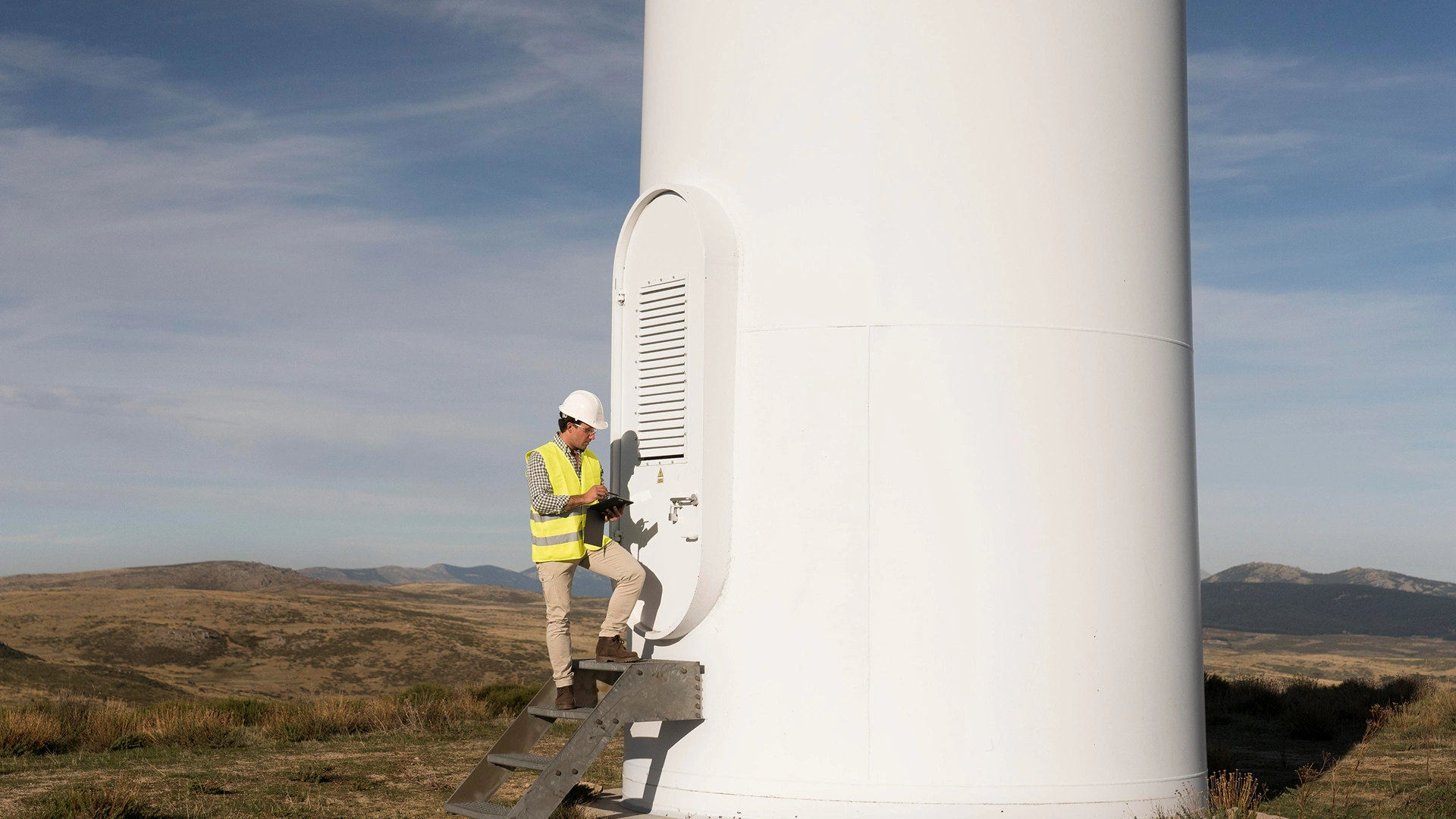
Meeting Regulatory Standards Through Structured Project Practices is a critical framework that ensures all aspects of project management comply with established regulations and safety protocols. This process is essential for industries like wind farm construction, where adherence to standards not only safeguards the environment but also protects the workforce involved in these large-scale projects. Essentially, it can be viewed as a blueprint that guides teams through each phase of a project, ensuring that every action taken aligns with legal requirements and best practices.
Key characteristics of this structured approach include thorough documentation, regular audits, and comprehensive training programmes. For instance, at SBL Solutions, we recognise that our people are our greatest asset. Therefore, investing in extensive training, such as GWO accredited courses—ensures that every team member is equipped to meet regulatory demands effectively. This commitment to safety and compliance is what sets us apart in the wind farm sector, allowing us to deliver exceptional service while prioritising the well-being of our employees and the communities we operate in.
It’s important to clarify that meeting regulatory standards is often misunderstood as being merely bureaucratic red tape. In reality, it is a proactive approach that preempts potential issues, ensuring that all project phases are executed smoothly and with minimal risk. At SBL Solutions, we are committed to not only meeting but exceeding these standards, providing peace of mind to our clients and stakeholders. To learn more about our comprehensive services and commitment to excellence, visit our Wind Farm Construction page.
Essential Terms for Meeting Regulatory Standards Through Structured Project Practices
To effectively navigate the complexities of regulatory compliance in project practices, it’s crucial to understand certain key terms. Here’s a concise glossary that will aid you in grasping the essentials.
Regulatory Compliance
The adherence to laws, regulations, guidelines, and specifications relevant to a industry or organisation’s operations. This ensures that project practices align with national and international standards, thereby mitigating legal risks and penalties. You need to understand regulatory compliance as it forms the foundation of structured project practices, ensuring that all activities are legally sound and ethically conducted.
Risk Management
The process of identifying, assessing, and controlling threats to an organisation’s capital and earnings. This can include risks from financial uncertainty, legal liabilities, strategic management errors, accidents, and natural disasters. In the context of meeting regulatory standards, robust risk management practices are essential to anticipate potential compliance issues and address them proactively.
Quality Assurance (QA)
A systematic process to ensure that products and services meet specified requirements and standards. QA involves the entire project lifecycle, ensuring that every aspect of project execution adheres to quality benchmarks. Understanding QA is vital for meeting regulatory standards, as it helps maintain the integrity and reliability of project outcomes.
Health and Safety Management
A multidisciplinary approach to ensure the health and safety of employees, clients, and the public, by mitigating risks associated with workplace hazards. In structured project practices, robust health and safety management is necessary not only for compliance but also for cultivating a culture of safety, aligning with SBL Solutions’ commitment to safety training and protocols.
Environmental Impact Assessment (EIA)
A process used to evaluate the potential environmental effects of a proposed project before it is allowed to proceed. This is particularly important in industries like wind farm construction, where projects can significantly affect local ecosystems. Understanding EIA is crucial for meeting regulatory standards as it demonstrates due diligence in minimizing environmental harm.
Stakeholder Engagement
The process of involving individuals and groups who have an interest in the project and its outcomes. Effective stakeholder engagement is essential for understanding regulatory expectations and ensuring compliance. By engaging with stakeholders, you can identify potential issues early and address them proactively, which is vital for structured project practices.
Project Management Framework
A structured approach that defines the processes, methodologies, and tools used to manage projects effectively. This framework ensures that projects are completed on time, within scope, and in compliance with regulations. Familiarity with a project management framework is essential for meeting regulatory standards, as it provides a blueprint for maintaining compliance throughout the project lifecycle.
By familiarising yourself with these terms, you’ll enhance your understanding of how to meet regulatory standards through structured project practices. This knowledge not only aids compliance but also positions you for success in your projects.
Frequently Asked Questions about Meeting Regulatory Standards
In this section, we address some of the most common questions regarding Meeting Regulatory Standards Through Structured Project Practices. Our aim is to provide you with clear and informative answers to help you navigate these crucial aspects of project management.
What are structured project practices?
Structured project practices refer to a systematic approach to managing projects that ensures consistent adherence to established standards and regulations. By implementing these practices, organisations can improve efficiency, reduce risks, and achieve compliance with regulatory requirements.
Why is it important to meet regulatory standards in project management?
Meeting regulatory standards is vital as it ensures the safety, quality, and legality of projects. Compliance not only protects your organisation from potential legal issues but also enhances your reputation and builds trust with stakeholders and clients.
How can SBL Solutions assist with regulatory compliance?
At SBL Solutions, we offer comprehensive support in meeting regulatory standards through our structured project practices. Our experienced team ensures that all safety and professional training requirements are met, and we provide ongoing inspections and maintenance to uphold compliance throughout the project lifecycle.
What types of training are necessary for regulatory compliance?
Essential training for regulatory compliance includes courses such as working safely at heights, confined space entry, and fire awareness and safety. These courses equip your team with the necessary skills to manage risks effectively and adhere to safety regulations.
How do inspections contribute to meeting regulatory standards?
Regular inspections are crucial for identifying potential defects or safety issues before they escalate into major problems. By conducting thorough inspections, we help ensure that all aspects of your project remain compliant with regulatory standards, ultimately safeguarding your operations.
What role does documentation play in regulatory compliance?
Documentation is key in demonstrating compliance with regulatory standards. It provides evidence of adherence to safety protocols, training records, and inspection results, which can be essential during audits or assessments by regulatory bodies.
Can structured project practices be adapted for different types of projects?
Yes, structured project practices can be tailored to suit various project types and industries. We at SBL Solutions understand the unique requirements of wind farm construction and customise our approaches to meet specific regulatory demands effectively.
We hope this FAQ section has clarified your queries about Meeting Regulatory Standards Through Structured Project Practices. If you have further questions or need assistance, feel free to reach out to our team at SBL Solutions.
Bringing It All Together: The Importance of Structured Project Practices
In conclusion, we have explored how Meeting Regulatory Standards Through Structured Project Practices is essential for ensuring safety, efficiency, and compliance within the wind farm construction industry. By implementing structured practices, organisations can mitigate risks and enhance operational effectiveness, ultimately leading to successful project outcomes.
The significance of adhering to these regulatory standards cannot be overstated. It not only safeguards the wellbeing of all personnel involved but also contributes to the sustainability and reliability of wind energy projects. As you navigate these complex requirements, remember that structured practices are your roadmap to success.
We hope the insights shared in this post empower you to embrace Meeting Regulatory Standards Through Structured Project Practices in your projects. By applying these principles, you can not only meet compliance but also foster a culture of safety and excellence within your team. For a deeper understanding and practical guidance, we invite you to learn more about SBL Solutions’ approach by visiting our Wind farm construction page.
At SBL Solutions, we pride ourselves on our expertise in providing comprehensive services and training that align with these standards. Should you need assistance or more information on how we can support your projects, please do not hesitate to contact us. Your journey towards regulatory compliance and project success starts here.