
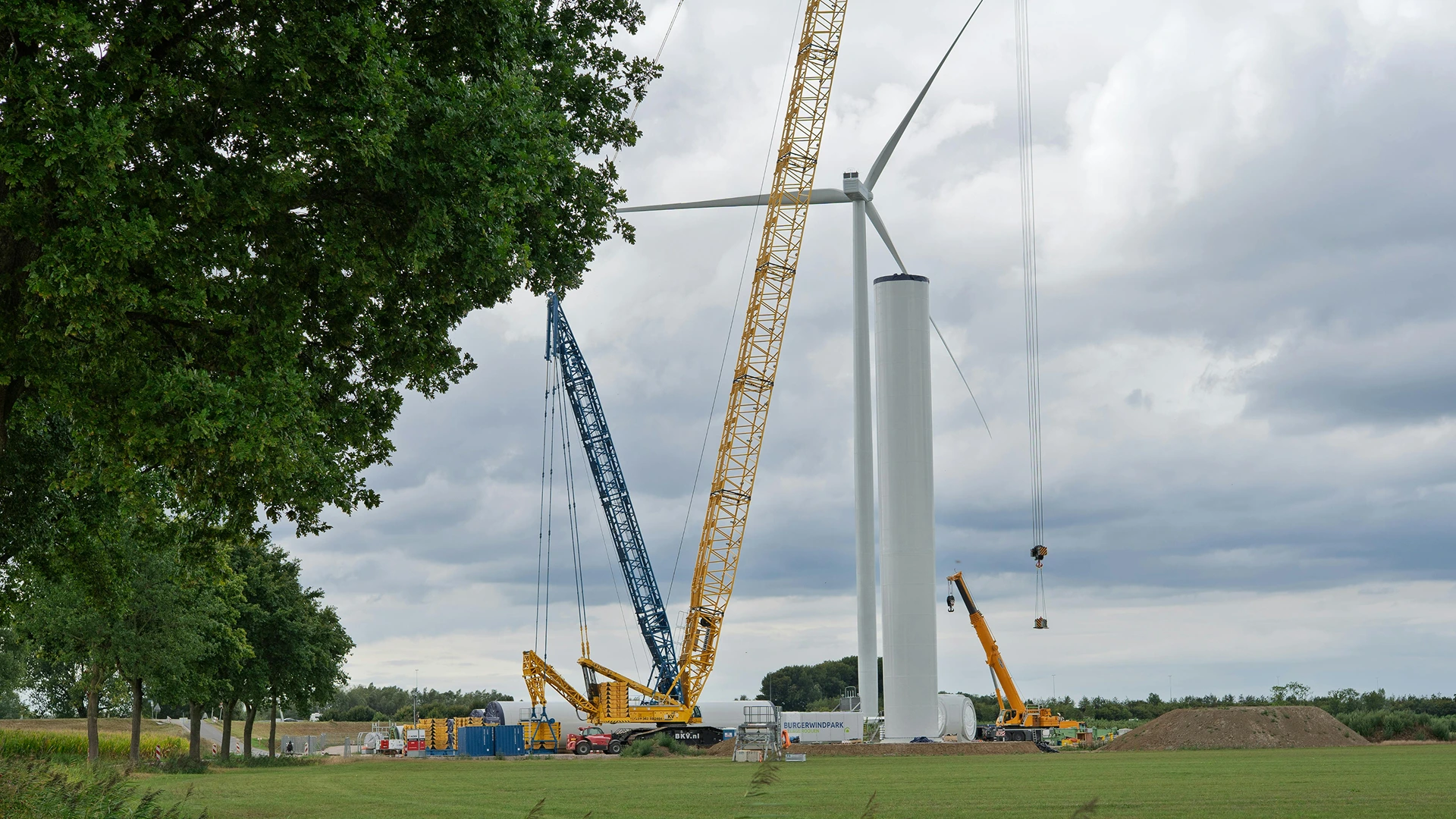
Navigating the Future of Wind Farm Construction
As the global demand for renewable energy surges, the landscape of wind farm construction is evolving at an unprecedented pace. This transformation is not just about building taller turbines or harnessing stronger winds; it represents a significant shift in how we approach energy production, workforce dynamics, and technological innovation. The Future of Wind Farm Construction: Trends, Technologies & Workforce Evolution delves into this pivotal moment, highlighting the trends that are shaping our industry and how they can impact you.
For government and regulatory bodies, staying ahead of these shifts is essential. As policies and standards adapt to meet the challenges of sustainability, understanding the intricacies of modern wind farm construction will equip you to make informed decisions that drive progress. This blog post will explore the latest advancements in technology, the evolving workforce needs, and the regulatory frameworks that govern these developments, ensuring you are well-prepared for what lies ahead.
In this post, we will examine key trends such as the integration of smart technology, innovations in construction methods, and the critical role of skilled labour in enhancing project efficiency. Each of these elements is vital for optimising performance and ensuring the longevity of wind farms. Moreover, by linking this discussion to the broader context of wind farm construction, we underscore the interconnectedness of these changes and their implications for your operations.
Understanding The Future of Wind Farm Construction: Trends, Technologies & Workforce Evolution is not merely an academic exercise; it’s a crucial step in securing a sustainable future. By grasping these developments, you can position your organisation as a leader in the renewable energy sector, reaping the benefits of reduced costs and increased productivity. As the leading service provider in the industry, SBL Solutions is committed to helping you navigate these changes with our comprehensive support and expertise.
We invite you to explore the insights presented here and consider how they might shape your strategies moving forward. For tailored advice and further information, don’t hesitate to contact SBL Solutions today. Together, we can embrace the future of wind farm construction and drive the renewable energy revolution.
The Future of Wind Farm Construction: Trends, Technologies & Workforce Evolution
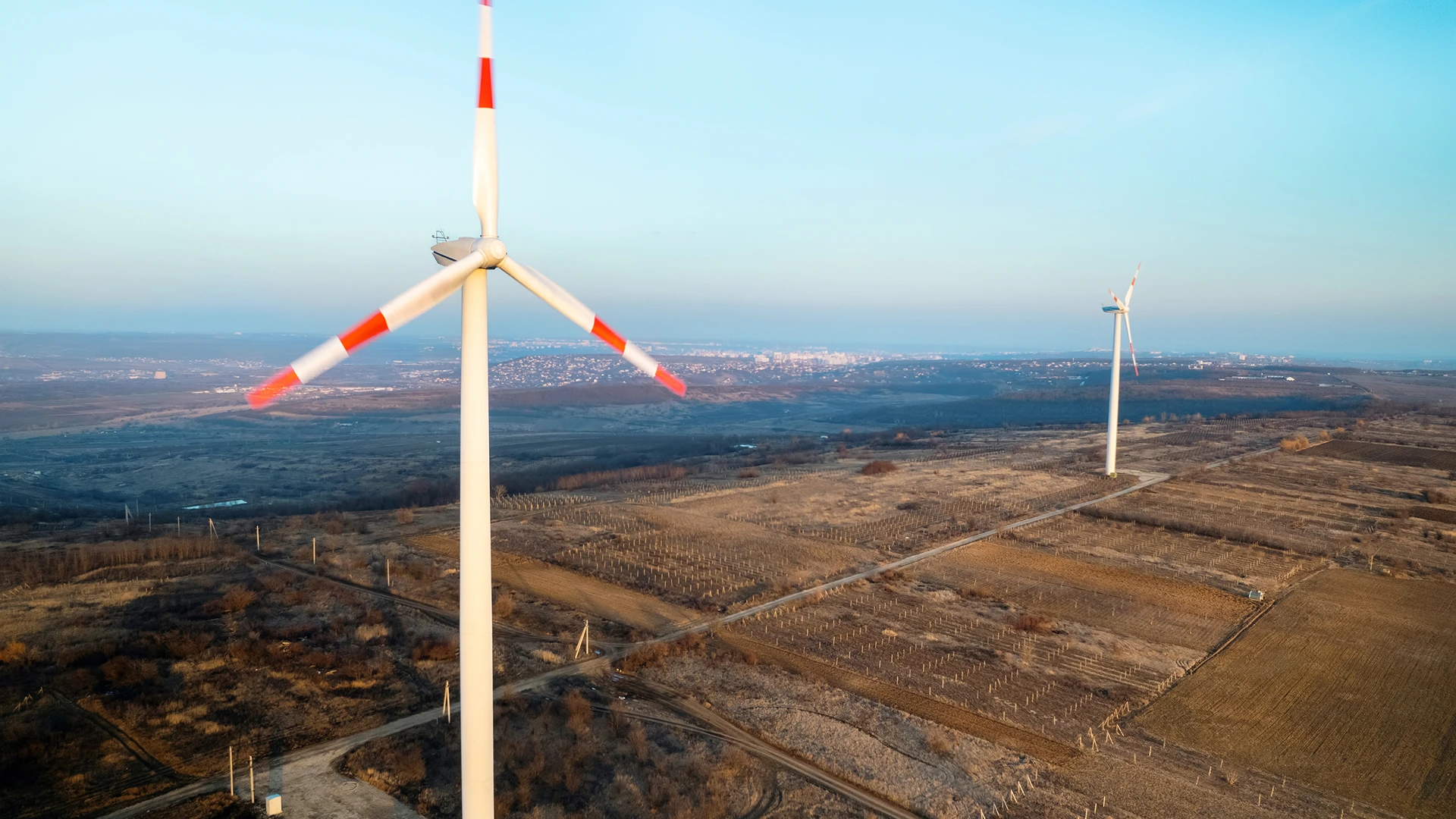
The Future of Wind Farm Construction: Trends, Technologies & Workforce Evolution is a pivotal aspect of the renewable energy landscape, focusing on how advancements and innovations will shape the development and management of wind farms. This future is characterised by cutting-edge technologies, an evolving workforce, and sustainable practices that aim to enhance efficiency and productivity in wind energy generation.
At its core, this future involves integrating digital technologies such as IoT (Internet of Things), AI (Artificial Intelligence), and big data analytics to improve the design, construction, and operational phases of wind farms. For instance, predictive maintenance powered by AI can significantly reduce downtime and operational costs, allowing for more effective resource management. This evolution in technology not only optimises the construction process but also ensures that wind farms operate at peak performance throughout their lifecycle.
Moreover, the workforce associated with wind farm construction is also evolving. The demand for skilled workers proficient in new technologies is increasing, necessitating a shift in training and educational programmes. This workforce evolution embraces a blend of traditional engineering skills paired with modern technological acumen, ensuring that workers are equipped to handle the complexities of contemporary wind farm projects. As specialised tasks such as Mechanical Installation in Wind Farm Construction continue to advance, the need for a highly trained workforce becomes even more essential. By fostering this blend of skills, companies like SBL Solutions can ensure that they remain at the forefront of the industry, providing essential services that keep wind farms running smoothly.
It is crucial to understand that the Future of Wind Farm Construction: Trends, Technologies & Workforce Evolution is not merely about the latest gadgets or software; it is about creating a holistic approach that integrates these advancements into the fabric of wind energy development. For example, while larger turbines may dominate headlines, it is the underlying systems and skilled personnel that truly make a difference in harnessing wind energy efficiently. SBL Solutions plays a vital role in this ecosystem, offering comprehensive servicing support that ensures wind farms operate without interruption, thus contributing to the broader goal of sustainable energy production.
Essential Terms for Understanding the Future of Wind Farm Construction
To fully appreciate the dynamic landscape of wind farm construction, it’s crucial to familiarise yourself with some key terms that shape this field. Here are some important concepts that will help you navigate the trends, technologies, and workforce evolution in wind energy.
Offshore Wind Farms
These are wind farms located in bodies of water, typically on the continental shelf, where wind conditions are often more favourable than on land. Offshore wind farms play a significant role in expanding renewable energy capacity and are a crucial aspect of the future of wind farm construction, especially as demand for clean energy grows globally.
Turbine Technology
This refers to the design and innovation of wind turbines, including their size, efficiency, and materials used. Advancements in turbine technology are central to increasing energy output and reducing costs in wind farm construction, making it vital for stakeholders to stay informed on the latest developments.
Renewable Energy Certificates (RECs)
These are tradable certificates that represent proof that electricity was generated from a renewable energy resource. Understanding RECs is essential for government bodies and regulatory agencies as they incentivise the development of renewable energy projects, including wind farms.
Smart Grids
These are electricity supply networks that use digital technology to monitor and manage the transport of electricity from all generation sources. The integration of smart grids with wind energy systems enhances efficiency and reliability, making them a key component in the future of wind farm operations.
Workforce Development
This encompasses training and education initiatives aimed at equipping the workforce with the necessary skills for the renewable energy sector. As the wind industry evolves, so does the need for a skilled workforce to support new technologies and practices in wind farm construction.
Sustainability Practices
These are methods and strategies implemented to ensure that wind farm construction and operation have minimal impact on the environment. Embracing sustainability practices is crucial for the future of the industry, aligning with global efforts to combat climate change.
Grid Integration
This involves connecting wind farms to the electric grid to ensure that the energy produced can be distributed effectively. Understanding grid integration is vital for government and regulatory bodies, as it affects energy policy and infrastructure development.
By familiarising yourself with these terms, you will gain a stronger understanding of the complexities surrounding The Future of Wind Farm Construction: Trends, Technologies & Workforce Evolution. This knowledge is essential for making informed decisions and policies that support the growth of sustainable energy solutions.
Frequently Asked Questions about the Future of Wind Farm Construction
In this section, we address some of the most common questions regarding the future of wind farm construction, focusing on the latest trends, technologies, and workforce evolution.
The latest trends in wind farm construction include the integration of advanced technologies such as AI and IoT for better monitoring and maintenance. Additionally, there is a significant shift towards larger turbines and offshore wind farms, which promise increased efficiency and energy output.
Technology is revolutionising wind farm construction through innovations like 3D modelling and drones for site surveys. These tools enhance precision in planning and reduce the time needed for construction, leading to more efficient project completion.
As the industry evolves, there is a growing demand for skilled workers who are proficient in new technologies. Training programs and partnerships with educational institutions are becoming crucial to equip the workforce with the necessary skills to thrive in this dynamic environment.
SBL Solutions offers comprehensive servicing support, including essential inspections that help identify potential issues before they escalate. Our expertise ensures that your project meets all regulatory requirements while minimising downtime and maintaining productivity.
Investing in wind farm technology now can lead to significant long-term savings and enhanced energy efficiency. As technologies advance, early adopters can benefit from higher returns on investment and a competitive edge in the renewable energy market.
Sustainability is at the forefront of future wind farm projects, with a focus on reducing carbon footprints and utilising eco-friendly materials. The industry is moving towards more sustainable practices, ensuring that wind energy contributes positively to the environment.
These FAQs aim to clarify your queries regarding the future of wind farm construction. By understanding these aspects, you can better navigate the evolving landscape of this industry.
Embracing Tomorrow: The Future of Wind Farm Construction
As we have explored in this post, The Future of Wind Farm Construction: Trends, Technologies & Workforce Evolution is not just a vision but a reality that is shaping the energy landscape. From innovative construction techniques to the integration of cutting-edge technology and the evolving skill sets of the workforce, these elements are crucial for enhancing efficiency and sustainability in wind energy production.
The importance of staying abreast of these trends cannot be overstated. As the demand for renewable energy grows, understanding the advancements in wind farm construction equips you with the knowledge to make informed decisions. This not only benefits your organisation but also contributes to a more sustainable future. By aligning with these trends, you can mitigate risks and increase productivity, ensuring that your operations remain competitive and environmentally responsible.
At SBL Solutions, we are committed to providing the support you need to navigate these changes. Our expertise in delivering comprehensive servicing for wind farms throughout Australia, Asia, and New Zealand means that we are well-positioned to assist you in implementing these innovative practices. We encourage you to leverage the insights from this article to explore how these developments can enhance your projects.
In closing, We invite you to reach out to us for further information or assistance regarding the future of wind farm construction. Together, we can ensure that your operations are not only ready for today but also prepared for the evolving landscape of tomorrow.