
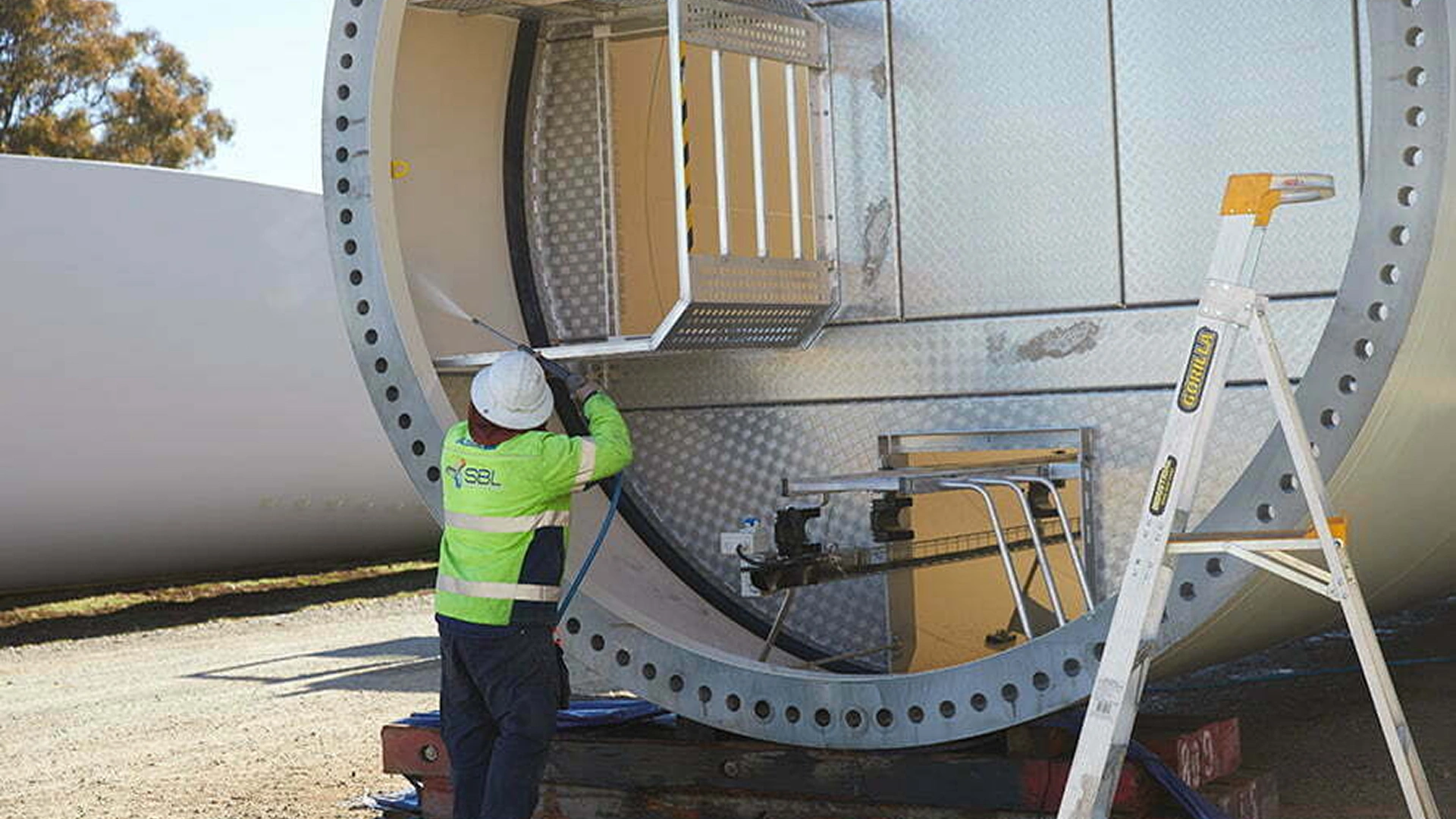
Mastering the Art of Coordination for Wind Farm Success
In the dynamic world of wind energy, the seamless integration of mechanical and electrical systems is not just beneficial; it is essential for ensuring reliable wind farm operations. Coordinating Mechanical and Electrical Systems for Reliable Wind Farm Operations is a critical practice that can significantly enhance the performance and efficiency of your renewable energy projects.
As an EPC contractor or energy provider, understanding the importance of this coordination can propel your operations to new heights. With the rapid expansion of wind farm construction, it is vital to grasp how these systems interact and affect overall functionality. This blog post will delve into the intricacies of this coordination, exploring key components, common challenges, and best practices that can lead to improved operational reliability.
In this discussion, we will define what it means to coordinate mechanical and electrical systems effectively, why it matters in the context of wind farm construction, and how it directly impacts your bottom line. We will also highlight how SBL Solutions brings unparalleled expertise to the table, ensuring that your projects are executed with the utmost precision and care.
This topic is crucial for you as it not only helps in avoiding costly downtime but also enhances the safety and efficiency of wind farm operations. SBL Solutions’ comprehensive approach and commitment to excellence allow us to support your project from initial construction through to ongoing maintenance, ensuring your systems operate seamlessly for optimal performance. For more information, visit our Wind farm construction page.
We invite you to join us in exploring the vital role of coordination in wind farm operations. If you have questions or need assistance, don’t hesitate to contact SBL Solutions for expert guidance. Together, we can ensure your wind farm operates reliably and efficiently.
How Effective Coordination of Mech & Elec Systems Ensures Wind Farm Reliability
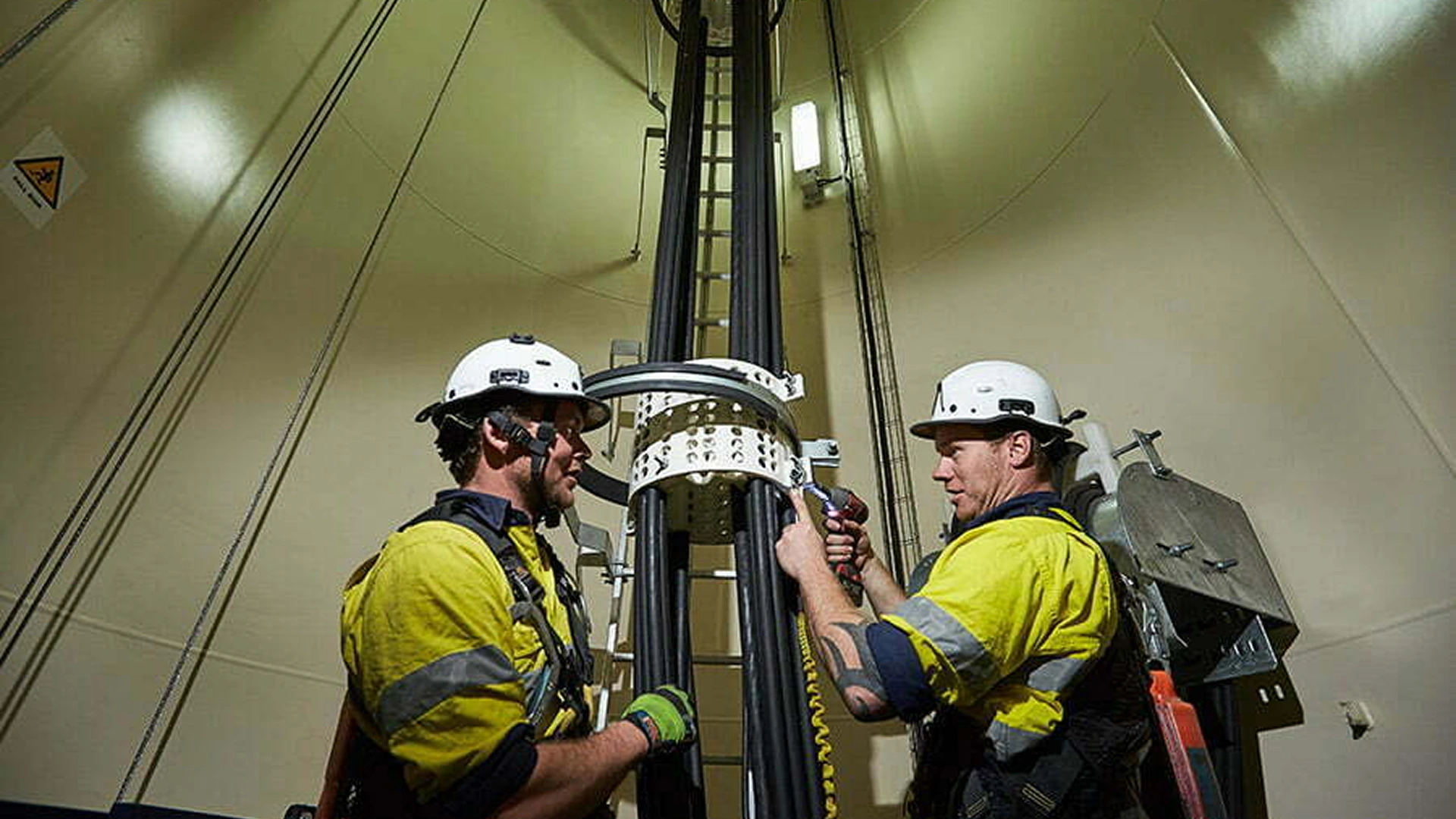
Coordinating Mechanical and Electrical Systems for Reliable Wind Farm Operations is a critical aspect of ensuring that wind farms run smoothly and efficiently. Essentially, it involves the integration and management of both mechanical components, such as turbines and gearboxes, and electrical systems, like generators and control systems, to optimise performance and reliability. This coordination is vital for maximising energy production while minimising downtime and maintenance costs, ultimately leading to a more sustainable energy solution.
Key characteristics of these systems include real-time monitoring, predictive maintenance, and seamless communication between mechanical and electrical infrastructures. For instance, just as a conductor leads an orchestra, ensuring that each musician plays in harmony, effective coordination ensures that mechanical and electrical systems work together seamlessly.
This synergy not only enhances the operational efficiency of wind turbines but also extends their lifespan, making it an invaluable focus for EPC contractors and energy providers alike. Equally critical is The Role of Periodic Inspections in Maintaining Wind Farm Efficiency and Safety, as regular, systematic assessments help identify potential issues early, ensuring turbines operate reliably and at peak performance over the long term.
It’s a common misconception that mechanical and electrical systems can operate independently in a wind farm; however, their interdependence is crucial. A failure in one can lead to significant disruptions in the other, highlighting the importance of a cohesive strategy. At SBL Solutions, we excel in providing the expertise and resources to ensure effective coordination of these systems, allowing us to support our clients in achieving reliable and efficient wind farm operations.
Essential Terms for Coordinating Mechanical and Electrical Systems in Wind Farms
Understanding the key terms related to Coordinating Mechanical and Electrical Systems for Reliable Wind Farm Operations is essential for anyone involved in the wind energy sector. Here’s a guide to some of the most important concepts you need to know.
Wind Turbine Generator (WTG)
A Wind Turbine Generator is the machinery that converts wind energy into electrical energy by using aerodynamic blades to turn a rotor, which drives a generator. This is crucial for generating renewable energy efficiently and reliably in wind farms, as it directly impacts energy output and system coordination.
Electrical Grid
The electrical grid is a network that delivers electricity from producers to consumers, consisting of transmission lines, substations, and transformers. Understanding how to integrate wind farm output into the grid is vital for ensuring consistent energy supply and stability in operations.
SCADA System
Supervisory Control and Data Acquisition (SCADA) systems are used for monitoring and controlling wind farm operations remotely. This technology provides real-time data, which is essential for coordinating mechanical and electrical systems to optimise performance and identify issues before they escalate.
Reactive Power
Reactive power is the power that oscillates between the source and load, essential for maintaining voltage levels in the electrical grid. Effective management of reactive power ensures that wind farms can operate efficiently and maintain system stability during fluctuations in energy supply.
Maintenance Scheduling
Maintenance scheduling refers to the planning of regular inspections and repairs of wind turbine components to prevent unexpected downtime. A well-structured maintenance programme is crucial for ensuring the longevity and reliability of mechanical and electrical systems in wind farms.
Condition Monitoring
Condition monitoring involves the continuous assessment of equipment performance and health, using sensors and data analytics. This practice is important for anticipating failures and optimising the coordination of mechanical and electrical systems, thereby enhancing operational reliability.
Interconnection Standards
Interconnection standards are the technical requirements that must be met for a wind farm to connect to the electrical grid. Familiarity with these standards is essential for ensuring safe and efficient operations, as they dictate how mechanical and electrical systems interact with the broader energy network.
By familiarising yourself with these essential terms, you can enhance your understanding of Coordinating Mechanical and Electrical Systems for Reliable Wind Farm Operations. This knowledge will empower you to make informed decisions and contribute to the efficiency and success of your projects.
Frequently Asked Questions about Coordinating Mechanical and Electrical Systems for Reliable Wind Farm Operations
Here, we address some common queries regarding the coordination of mechanical and electrical systems in wind farms. Understanding these aspects can significantly enhance operational reliability and efficiency.
What is the importance of coordinating mechanical and electrical systems in wind farms?
Coordinating mechanical and electrical systems is crucial for ensuring that wind farms operate efficiently and safely. Proper integration reduces the risk of failures, enhances energy output, and prolongs the lifespan of equipment, thus maximising overall productivity.
How does SBL Solutions ensure effective coordination between mechanical and electrical systems?
At SBL Solutions, we adopt a comprehensive approach that includes meticulous planning, rigorous inspections, and ongoing maintenance. Our experienced technicians work collaboratively to identify potential issues and implement solutions that ensure seamless operation between mechanical and electrical components.
What types of training do technicians undergo for coordinating these systems?
Our technicians receive extensive training, including GWO accredited courses and specific training in areas such as confined space entry and working safely at heights. This ensures they are well-equipped to handle the complexities involved in coordinating mechanical and electrical systems effectively.
Can you provide examples of mechanical and electrical components that require coordination?
Certainly! Key components include gearboxes, generators, and turbines. Effective coordination ensures that these elements work in harmony, which is essential for optimal performance and minimising downtime.
What are the common challenges faced in coordinating these systems?
Some common challenges include equipment compatibility, maintenance scheduling, and unplanned outages. SBL Solutions addresses these challenges through proactive inspections and a skilled team ready to respond swiftly to any issues that may arise.
How often should inspections be conducted to ensure reliable operations?
Regular inspections should be part of a scheduled maintenance plan, typically conducted every six months or according to specific manufacturer guidelines. This helps in identifying and rectifying issues before they lead to significant downtime.
How does SBL Solutions support clients in these operations across regions?
We offer extensive service and maintenance support across Australia, Asia, and New Zealand. With a dedicated team of skilled technicians, we can mobilise quickly to address the needs of our clients, ensuring that their wind farms operate reliably.
We hope these FAQs have clarified your understanding of Coordinating Mechanical and Electrical Systems for Reliable Wind Farm Operations. For further inquiries or assistance, feel free to reach out to us at SBL Solutions.
Bringing It All Together: The Key to Sustainable Wind Farm Operations
In conclusion, effective Coordinating Mechanical and Electrical Systems for Reliable Wind Farm Operations is crucial for maximising the efficiency and longevity of wind farms. Throughout this post, we’ve explored how seamless integration of these systems not only enhances operational reliability but also contributes to the overall success of wind energy projects. By prioritising this coordination, you can ensure that the wind turbines operate at peak performance, reducing downtime and maintenance costs.
The importance of coordinating these systems cannot be overstated. As we’ve discussed, the synergy between mechanical and electrical components directly impacts the performance of wind farms. This coordination is essential for preventing failures and ensuring that turbines generate the expected energy output. Understanding these dynamics allows you to make informed decisions that will positively influence your wind farm operations.
We hope that the insights provided here empower you to implement effective strategies in your wind farm projects. By applying the principles of coordinated systems, you can enhance operational reliability and contribute to a sustainable energy future. Remember, the successful integration of these systems is crucial within the broader scope of SBL Solutions’ wind energy projects. To learn more, visit our Wind farm construction page.
For further assistance or to learn more about how SBL Solutions can support your wind farm projects, do not hesitate to contact us. Together, we can ensure your wind farm operates reliably and efficiently, paving the way for a greener future.