
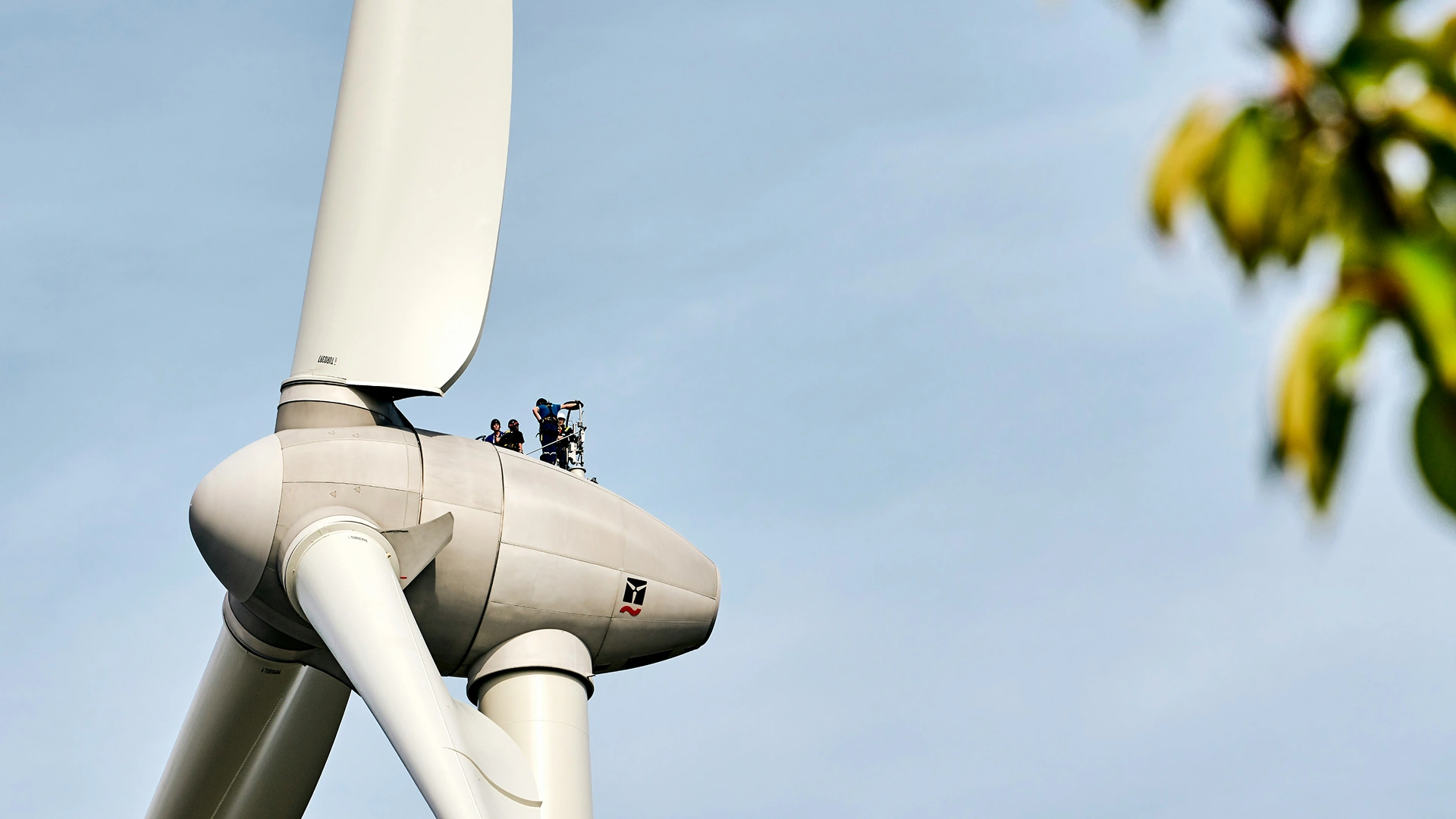
When Downtime Becomes Costly
When a turbine stops turning, the impact is rarely confined to a single lost day of generation. For many projects, Why Wind Turbine Downtime Costs More Than Most Commercial Developers Realise comes down to a chain reaction of missed revenue, schedule pressure, weather delays, logistics constraints, and the knock-on effect on wider asset performance. If you manage a wind farm, invest in renewable infrastructure, or oversee operations for a large energy portfolio, those hidden costs can quickly become more significant than the repair itself.
At SBL Solutions, we work with teams that need practical, fast, and experienced support when main components fail or technical issues interrupt production. From gearboxes and generators to main shafts, blades, and bearings, our technicians help clients plan and execute complex exchanges with minimal disruption. That matters because every hour of downtime can affect project economics, contractual obligations, and long-term asset confidence.
This article looks at Wind Turbine Downtime and why it matters across the sector from wind farm owners, O&M providers, and EPC contractors to offshore developers, utility asset managers, and renewable energy investors. We will explore the true cost drivers behind downtime, the operational risks that make component exchange so challenging, and the practical steps that can help reduce delays and protect output. To learn how SBL Solutions supports efficient and reliable outcomes in these high-pressure scenarios, visit our Wind Turbine Component Exchange page for more information.
You will also see how this topic connects directly to Wind Turbine Component Exchange, where planning, specialist labour, and rapid mobilisation make a measurable difference. If you are looking to improve uptime, reduce avoidable losses, and strengthen your maintenance strategy, this guide will give you a clearer view of what is at stake and how to respond effectively. For tailored support or to discuss an upcoming exchange, please contact SBL Solutions.
Why Unexpected Wind Turbine Downtime Can Become a Major Financial Risk
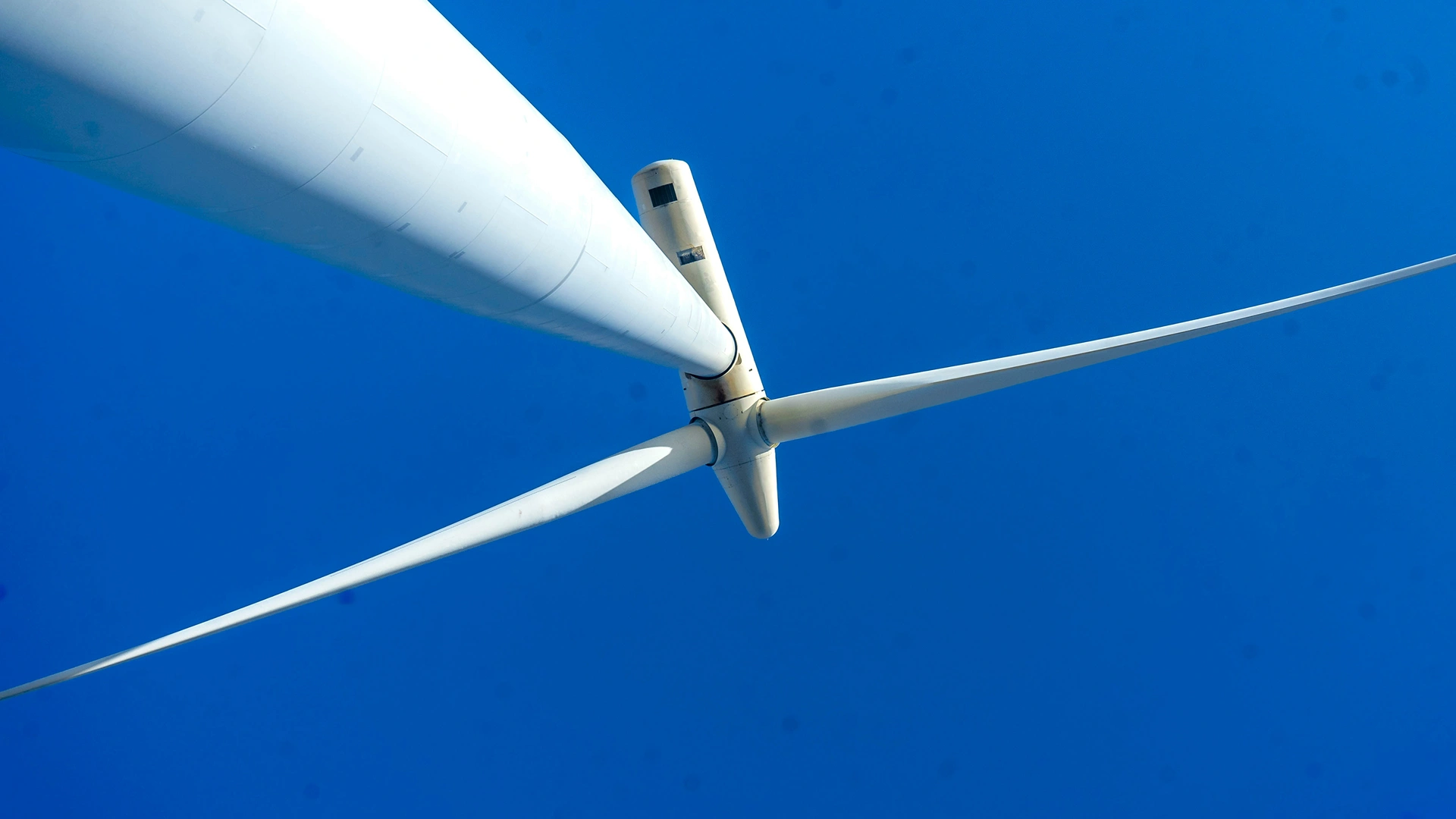
Why Wind Turbine Downtime Costs More Than Most Commercial Developers Realise is the full commercial impact of a turbine being out of service for longer than planned. It is not simply the loss of power generation for a few hours or days; it includes missed revenue, contract exposure, repair logistics, vessel or crane availability, weather delays, and the knock-on effect of waiting for the right technicians and replacement components. In practice, every extra hour a turbine stands still can feel like a leak in a pipeline, small at first, but expensive when it continues unchecked.
The reason this cost is often underestimated is that downtime rarely happens in isolation. A gearbox, generator, main shaft, blade, or bearing exchange can trigger a chain of events involving inspections, mobilisation, lift planning, access equipment, safety controls, and coordination with site conditions. As Growing Renewable Energy Demand continues to place greater pressure on energy infrastructure and turbine performance, even short periods of downtime can have wider operational and financial impacts. If weather closes in or a specialist team is not ready, the schedule slips further. That is why Why Wind Turbine Downtime Costs More Than Most Commercial Developers Realise is best understood as a combination of technical failure and operational disruption, rather than just a maintenance issue.
This is closely linked to the broader topic of Wind Turbine Component Exchange, because main component replacement is often the point where downtime costs accelerate. A planned exchange may already be complex; an unplanned one can be far more disruptive. Many developers assume the main expense is the replacement part itself, but the real cost often sits in lost production and the challenge of restoring the turbine safely and efficiently under tight time constraints.
At SBL Solutions, we help reduce that exposure by mobilising experienced technicians at short notice for main component exchanges. Our role is to bring practical expertise, speed, and coordination to a process where delays are costly and weather windows are narrow. By understanding the true scope of downtime, you can make better operational decisions, protect asset performance, and avoid the common misconception that turbine downtime is only a temporary inconvenience. In reality, it is a direct threat to project returns, operational reliability, and long-term asset value.
Terms to Know Before You Assess the True Cost of Wind Turbine Downtime
Before you can fully understand Why Wind Turbine Downtime Costs More Than Most Commercial Developers Realise, it helps to be clear on the terms that shape outage planning, repair logistics and revenue impact. These are the concepts we see matter most when turbines are off the grid and every hour counts.
Downtime
Downtime is the period when a wind turbine is not producing electricity because it is unavailable, under repair or waiting on parts, labour or weather windows. It can be planned or unplanned, but either way it reduces generation and can quickly affect project performance. It is central to Why Wind Turbine Downtime Costs More Than Most Commercial Developers Realise because lost output starts immediately, while costs often continue to build in the background.
Main component exchange
Main component exchange refers to the removal and replacement of large turbine parts such as gearboxes, generators, main shafts, blades or bearings. These operations require specialist technicians, lifting equipment, careful sequencing and often a very tight weather window. For you, this is one of the biggest cost drivers because a delayed exchange can extend downtime and increase both direct and indirect losses.
Availability
Availability measures the proportion of time a turbine is capable of operating and generating power. It is often used as a key performance indicator in operations and maintenance contracts. In the context of Why Wind Turbine Downtime Costs More Than Most Commercial Developers Realise, lower availability means less energy sold and weaker revenue performance across the asset.
Weather window
A weather window is a period of suitable conditions that allows maintenance or lifting work to be carried out safely, particularly for large component exchanges. Wind speed, visibility and sea state can all determine whether the job can proceed. This matters because even if technicians and equipment are ready, the work may still be delayed, extending costs and lost generation.
Lost revenue
Lost revenue is the income that would have been earned if the turbine had been generating electricity during the outage period. It is usually calculated from expected production, power prices and the duration of the stoppage. It is one of the clearest reasons Why Wind Turbine Downtime Costs More Than Most Commercial Developers Realise can become a serious commercial issue, especially on high-output sites.
Mean Time to Repair (MTTR)
Mean Time to Repair is the average time taken to restore a failed turbine or component to working condition. It includes fault diagnosis, mobilisation, repairs, testing and return to service. The shorter the MTTR, the less exposure you have to extended downtime, which is why rapid-response teams and well-planned exchanges are so valuable.
Mobilisation
Mobilisation is the process of assembling the right technicians, tools, lifting gear, transport and support services to get a repair or exchange underway. In wind energy, this often has to happen at short notice and across challenging sites. It is highly relevant because slow mobilisation can turn a manageable fault into a much more expensive outage, especially when weather and access constraints are involved.
Understanding these terms gives you a clearer view of where downtime costs really come from and why they can escalate so quickly on wind projects. At SBL Solutions, we help clients reduce that exposure by bringing experienced technicians, rapid mobilisation and practical main component exchange support when it matters most.
FAQs on Wind Turbine Downtime Costs
If you are weighing up the true impact of turbine outages, these FAQs break down the costs, risks and practical realities that often get overlooked. We have kept the answers clear and useful, so you can better understand Why Wind Turbine Downtime Costs More Than Most Commercial Developers Realise.
Why Wind Turbine Downtime Costs More Than Most Commercial Developers Realise?
Downtime is rarely just a lost generation issue; it can trigger a chain of extra costs across maintenance, crane hire, logistics, and contract penalties. When a turbine is offline, you may also face missed revenue, delayed project targets and increased pressure to restore output quickly, often in less-than-ideal weather windows. That is why the real cost is usually far higher than the headline value of the energy not produced.
What makes a turbine outage so expensive to fix?
The cost often rises because main component exchanges are highly specialised operations that need the right technicians, lifting equipment, transport and planning. If a gearbox, generator, main shaft, blade or bearing fails, the repair may require a rapid mobilisation and a tightly coordinated lift plan. At SBL Solutions, we know these jobs are time-sensitive, and delays in any one area can quickly increase the overall bill.
How does weather affect the cost of downtime?
Weather can restrict access, delay lifts and shorten the available working window, which means a job that should take a day may stretch across several days or weeks. In offshore or exposed onshore locations, even moderate wind speeds can pause critical work and keep a turbine offline longer than expected. That extra time directly adds to lost production and mobilisation costs, which is a major reason Why Wind Turbine Downtime Costs More Than Most Commercial Developers Realise.
Can a short outage still have a big financial impact?
Yes, even a brief outage can be costly if it happens during a high-yield period or affects multiple turbines in a row. For example, a single component failure during peak wind conditions can mean losing significant generation in a very short time. If the outage also disrupts maintenance schedules or requires specialist support at short notice, the cost can escalate far beyond the initial fault.
Why is speed of response so important during a component failure?
The faster you can assess the fault and mobilise the right team, the less time the turbine spends out of action. Quick response helps reduce secondary damage, avoids unnecessary delays and makes better use of weather windows for the exchange. Our core group of technicians is able to mobilise at very short notice, which is especially valuable when downtime is already costing you money every hour.
What hidden costs should developers watch out for?
Hidden costs often include standby charges, crane and vessel hire, spare parts logistics, site access constraints and the cost of coordinating multiple contractors. You may also need to factor in health and safety planning, inspections and any knock-on delays to other turbines or workstreams. These are the kinds of costs that can make downtime much more expensive than it first appears.
How can planned component exchange reduce long-term downtime costs?
A well-planned exchange can limit unplanned outages, improve scheduling and reduce the risk of emergency call-outs. By replacing main components before a failure becomes critical, you can control the timing, secure resources more efficiently and avoid the worst disruption to generation. That proactive approach is central to managing turbine availability and keeping lifetime costs under control.
Understanding the true impact of turbine downtime helps you plan more effectively and avoid expensive surprises. If you need experienced support with main component exchanges, SBL Solutions can help you keep disruption to a minimum and get turbines back into service as efficiently as possible.
Turning Downtime Insight Into Action
In summary, Wind Turbine Downtime Costs More Than Most Commercial Developers Realise is rarely just about lost generation. It can quickly affect revenue, maintenance planning, contractual obligations, and the long-term performance of your asset. When weather windows are tight and specialist resources are limited, even a short delay can have a much larger financial impact than expected.
Understanding this helps you move from reacting to problems to planning for them. By recognising the true cost of downtime, you are better placed to prioritise rapid response, efficient logistics, and the right technical support when main components need attention. That is where experienced partners make a real difference. SBL Solutions supports clients with skilled technicians who can mobilise quickly to assist with the exchange of major components, helping reduce delays and keep projects moving.
If you would like practical support or want to discuss an upcoming exchange, please get in touch via our contact page. We are here to help you reduce disruption, protect output, and approach turbine downtime with greater confidence.