
Why Planned Component Exchange Can Safeguard Wind Farm Returns
When a critical turbine part starts to degrade, the cost is rarely limited to the component itself. Lost generation, weather delays, mobilisation pressure, and knock-on maintenance risks can quickly turn a technical issue into a profitability problem. That is why How Preventive Component Exchange Helps Protect Long-Term Wind Farm Profitability matters so much for wind farm owners, operators, investors, and the wider renewable energy sector.
For asset managers, IPPs, EPC contractors, OEMs, O&M providers, and energy utilities, the challenge is simple: keep turbines producing reliably while avoiding avoidable downtime. Preventive component exchange means planning the replacement of major parts such as gearboxes, generators, main shafts, blades, and bearings before a failure forces an emergency intervention. In practical terms, it is a proactive strategy that supports asset health, operational continuity, and stronger long-term returns.
This post explores how planned exchanges reduce unplanned outages, improve maintenance scheduling, and help you manage risk across onshore and offshore wind assets. It also looks at why timing, weather windows, technician availability, and supply chain readiness all play a part in protecting project economics. In short, How Preventive Component Exchange Helps Protect Long-Term Wind Farm Profitability is about making smarter decisions before problems escalate.
If you are working to protect the value of a wind portfolio, this is where experienced support makes a real difference. At SBL Solutions, we bring heavily experienced technicians and rapid mobilisation capability to complex component exchanges, helping clients reduce disruption and keep projects moving. This article links directly to our main guide on Wind Turbine Component Exchange, and if you would like expert advice or practical assistance, please contact us to discuss your requirements.
How Preventive Component Exchange Protects Long-Term Wind Farm Profitability
How Preventive Component Exchange Helps Protect Long-Term Wind Farm Profitability is the proactive approach of replacing critical wind turbine components before they fail and trigger costly, unplanned downtime. In practical terms, it means planning ahead for the exchange of major parts such as gearboxes, generators, main shafts, blades and bearings, so your wind farm stays productive, safe and commercially resilient. Rather than waiting for a breakdown, you act on condition data, service life, operational trends and maintenance planning to reduce risk and protect output. This approach is further strengthened through Fast Main Component Exchange, which focuses on reducing turbine downtime by streamlining logistics, improving mobilisation efficiency, and ensuring critical components can be replaced quickly and safely when intervention is required.
Think of it like servicing a high-performance vehicle before a long journey: you would not wait for the engine warning light to become a roadside breakdown. The same principle applies to wind assets. A well-timed component exchange can help you avoid secondary damage, reduce emergency call-outs, improve turbine availability and keep maintenance windows under control. This is especially important where weather, access constraints and tight project schedules can quickly turn a reactive repair into a much larger operational and financial challenge.
For wind farm owners, operators and investors, the value is clear. Preventive component exchange supports long-term profitability by preserving energy yield, extending asset life and helping you manage maintenance budgets with greater confidence. At SBL Solutions, we support this approach with heavily experienced technicians who can mobilise quickly and carry out complex main component exchanges efficiently, helping you keep your turbines turning and your commercial returns protected.
Terms to Know When Planning Preventive Component Exchange for Wind Farm Profitability
To understand How Preventive Component Exchange Helps Protect Long-Term Wind Farm Profitability, it helps to be familiar with the operational terms that shape planning, execution and cost control. These are the concepts we work with every day when helping wind farm owners and operators reduce risk, limit downtime and keep assets performing reliably.
Main Component Exchange
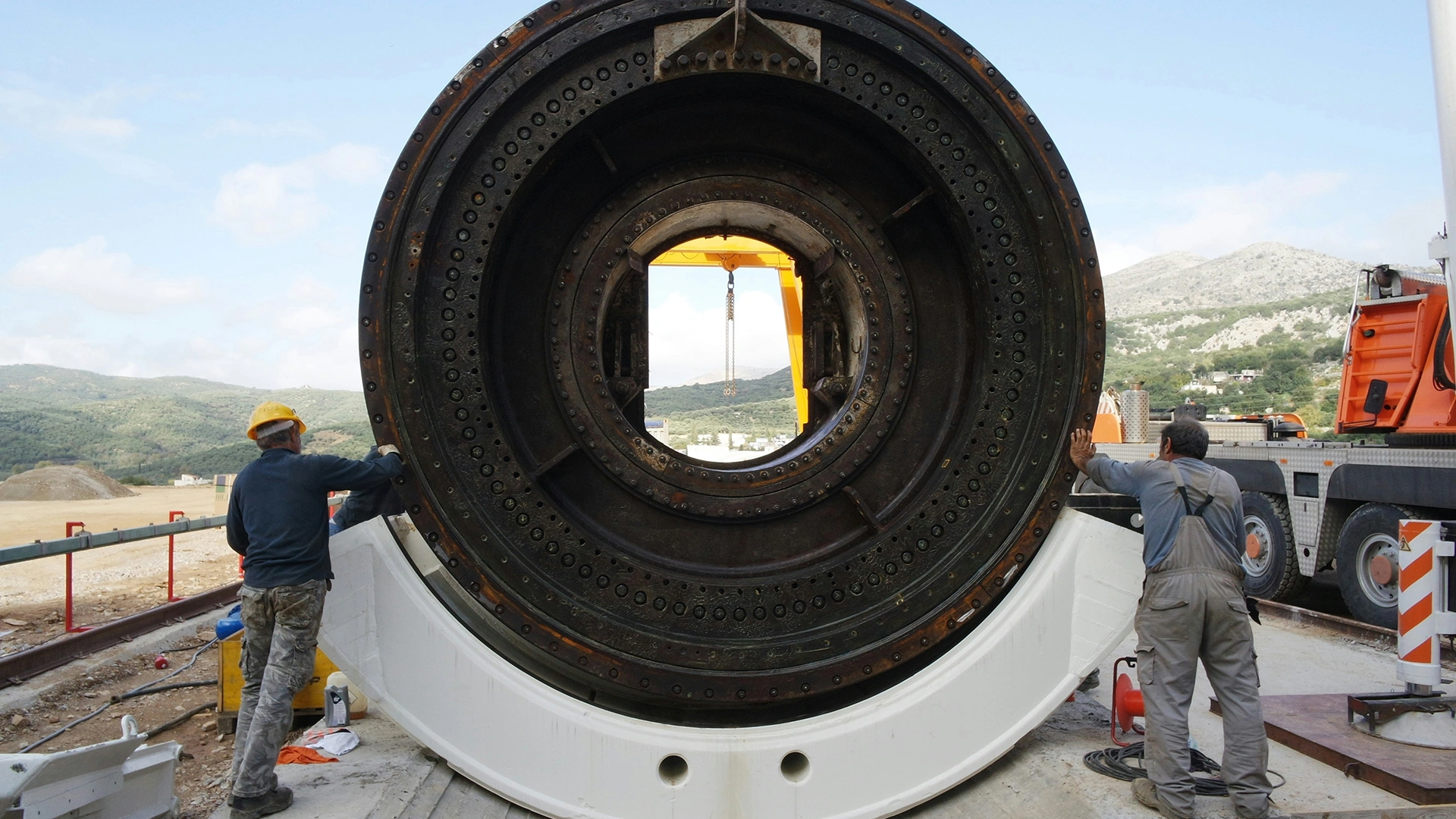
The removal and replacement of a major turbine part such as a gearbox, generator, main shaft, blade or bearing. It is a specialist operation that typically requires careful lifting plans, the right tooling and experienced technicians.
Unplanned Downtime
A period when a turbine is out of service because of an unexpected fault or failure. Even short outages can reduce energy production and affect revenue, especially when multiple turbines are impacted.
Preventive Maintenance
Scheduled maintenance carried out before a failure occurs, based on condition, operating hours or known wear patterns. It is designed to reduce the likelihood of major breakdowns and extend component life.
Component Reliability
The likelihood that a turbine part will continue to operate as expected over time. High reliability means fewer failures, less disruption and better long-term performance across the wind farm.
Downtime Planning
The process of scheduling maintenance or exchange work to minimise lost generation and operational disruption. It includes weather windows, crane availability, access planning and turbine sequencing.
Life-Cycle Cost
The total cost of owning and operating a wind turbine or wind farm over its full service life, including maintenance, repairs, replacements and lost production. It gives a clearer view of long-term profitability than upfront cost alone.
Condition Monitoring
The use of data and inspections to track the health of turbine components and identify early signs of wear or failure. This allows you to act before a small issue becomes a costly outage.
When you understand these terms, it becomes much easier to see why timely, well-planned component exchange is such an effective way to protect asset performance and profitability. At SBL Solutions, we use this practical knowledge to help you make informed decisions, reduce operational risk and keep wind farms generating value for the long term.
FAQs on Preventive Component Exchange and Wind Farm Profitability
Here are some of the most common questions we hear about How Preventive Component Exchange Helps Protect Long-Term Wind Farm Profitability. If you are planning maintenance, managing downtime, or looking to improve asset performance, these answers should help you make more informed decisions.
What is preventive component exchange in a wind farm setting?
Preventive component exchange means replacing major turbine components before they fail completely, based on condition, operating hours, inspection findings, or known risk factors. In practice, this can include planned exchanges of gearboxes, generators, main shafts, blades, or bearings to avoid an unplanned breakdown. For you, that means fewer emergency call-outs, better control over downtime, and a more predictable maintenance plan.
How does preventive component exchange help protect long-term profitability?
The main benefit is reducing the cost impact of unexpected failures, which often lead to prolonged downtime, higher repair bills, and lost energy production. By planning exchanges in advance, you can schedule work around weather windows, vessel or crane availability, and turbine access, all of which helps keep costs under control. That is a core part of How Preventive Component Exchange Helps Protect Long-Term Wind Farm Profitability.
Which components are most commonly exchanged preventively?
The most common main components include gearboxes, generators, main shafts, blades, and bearings. These parts are critical to turbine performance, so early intervention can prevent more extensive damage to surrounding systems. At SBL Solutions, our experienced technicians regularly support these types of exchanges, including mobilisation at short notice when a project needs a fast response.
How do you decide whether a component should be exchanged now or monitored longer?
That decision usually depends on inspection results, condition monitoring data, fault history, and the operational risk of leaving the component in service. If a part shows signs of progressive wear or a likely failure mode, a planned exchange is often safer and more economical than waiting for a breakdown. We help clients weigh the cost of intervention against the potential cost of turbine downtime, repairs, and production loss.
Can preventive exchanges reduce downtime during poor weather or tight maintenance windows?
Yes, because they allow you to prepare properly rather than react under pressure. When a component fails unexpectedly, you may have to wait for suitable weather, specialist equipment, or spare parts, which can extend downtime significantly. A planned exchange gives you more control over the schedule and improves the chance of completing the work efficiently within the available window.
What role does an experienced technician team play in a component exchange?
An experienced team helps ensure the exchange is completed safely, efficiently, and with minimal disruption to the wider site. Main component lifts and replacements are complex tasks that require careful planning, technical skill, and coordination with site conditions and logistics. At SBL Solutions, our core group of technicians can mobilise quickly to support clients when timing is critical and turbine availability matters.
Is preventive component exchange worth it for older turbines?
In many cases, yes, especially if the turbine is already experiencing recurring issues or if a major component is approaching the end of its useful life. Older turbines can become more expensive to run if failures are left to escalate, so a planned exchange may protect revenue and extend the asset’s productive life. The right decision depends on your site strategy, but preventive action often supports stronger long-term returns.
Preventive component exchange is not just about maintenance; it is about protecting output, controlling risk, and supporting better financial performance over time. If you want a reliable approach to main component exchange, SBL Solutions can help you plan and deliver it with the right expertise at the right time.
Protecting Performance, Profitability and Peace of Mind
Preventive component exchange is more than a maintenance decision — it is a practical way to safeguard output, reduce unplanned downtime and keep long-term operating costs under control. As we have explored, planning ahead for the replacement of major parts such as gearboxes, generators, main shafts, blades and bearings can help you avoid the disruption and financial strain that often come with emergency repairs.
This is why How Preventive Component Exchange Helps Protect Long-Term Wind Farm Profitability matters so much for operators looking to improve reliability and preserve asset value. By acting before a failure escalates, you give your wind farm the best chance of staying productive, even when weather windows are tight and schedules are under pressure. That proactive approach is central to the wider discipline of Wind Turbine Component Exchange, where timing, expertise, and preparation all play a critical role. Visit our Wind Turbine Component Exchange page to learn how SBL Solutions applies this approach to improve planning, reduce downtime, and support efficient project delivery.
At SBL Solutions, we understand the challenges involved in delivering safe, efficient exchanges with minimal interruption. Our experienced technicians are ready to mobilise at short notice, helping you manage main component replacements with confidence and care.
If you are looking to strengthen your maintenance strategy and protect profitability over the long term, we are here to help. Contact SBL Solutions to discuss your project and find out how our team can support your next component exchange with practical, dependable expertise.